Explore our high-protein, laboratory-tested pet treats and formulated diets engineered for export compliance, high shelf stability, and superior palatability.
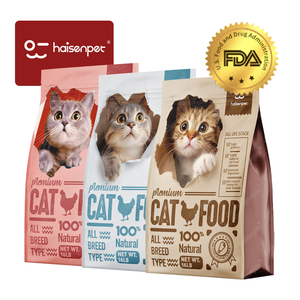
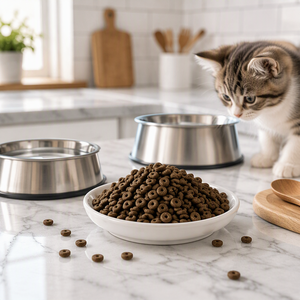
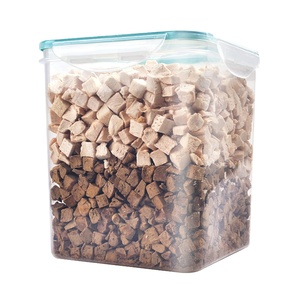
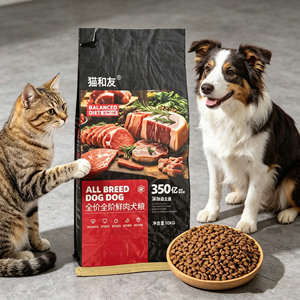
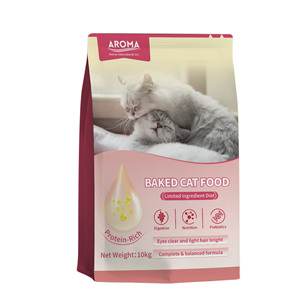
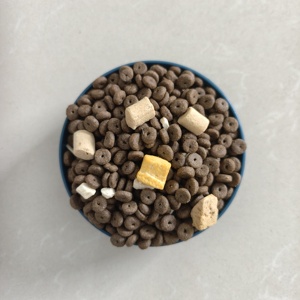
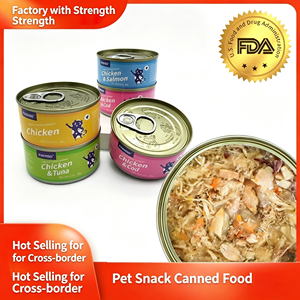
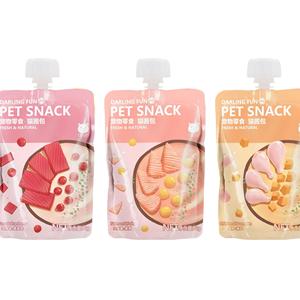
Strategic Context for Egyptian Importers & Brands: Over the past five years, the Egyptian pet care sector has undergone a profound transformation. Rapid urbanization across metropolitan areas such as Greater Cairo (including New Cairo and 6th of October City), Alexandria, and Mansoura has spurred high domestic pet ownership rates, particularly among cats and small-to-medium dog breeds. Concurrently, macroeconomic adjustments and currency fluctuations (EGP) have shifted consumer demand toward high-value, cost-effective imported pet nutrition, rendering direct sourcing from leading Chinese pet treat manufacturers a prime commercial strategy for Egyptian brand owners, distributors, and veterinary networks.
When procurement managers in Egypt source meat-based pet snacks—specifically dehydrated chicken fillet, duck jerky, beef strips, and freeze-dried toppers—they face distinct technical and regulatory challenges. This industry guide offers a deep analysis of nutritional formulation engineering, import regulatory compliance governed by the Egyptian General Organization for Veterinary Services (GOVS) and the National Food Safety Authority (NFSA), transport heat-stability logistics, and private-label contract manufacturing capabilities tailored specifically for the Egyptian market climate.
Navigating Egyptian customs at key entry points such as Alexandria Port, Port Said, and Ain Sokhna requires meticulous documentation and strict technical adherence to veterinary health standards. Chinese manufacturing facilities exporting pet food to Egypt must provide verified supply-chain transparency and clear biosecurity credentials.
Every batch of jerky treats entering Egypt must be accompanied by an official Veterinary Health Certificate issued by China's Entry-Exit Inspection and Quarantine Bureau (CIQ). This documentation confirms that raw poultry and livestock are sourced from avian-influenza-free and epizootic-free regions, processed under thermal lethality standards (F0 values ≥ 3.0), and safe for international trade.
Under Factory Registration Decree regulations (GOEIC), manufacturing plants exporting consumer-ready packaged pet treats to Egypt must be formally registered and audited. Compliance with NFSA standards ensures zero presence of pathogenic bacteria (Salmonella spp., Enterobacteriaceae), low mycotoxin/aflatoxin levels, and absence of non-permitted synthetic preservatives.
Egyptian import regulations stipulate that packaging display clear Arabic and English nutritional information. This includes guaranteed analysis (Crude Protein, Crude Fat, Crude Fiber, Moisture, Ash), full ingredients list, batch number, production and expiration dates, manufacturer plant approval numbers, and clear feeding guidelines.
Pet jerky treats (chicken breast tenders, duck jerky strips, beef liver bites) prepared for export to Egypt demand technical precision during drying and thermal stabilization. Egypt’s climate—characterized by high summer temperatures and fluctuating coastal humidity in northern ports—creates strict environmental pressures on packaged meat products.
While standard industry specifications often list total moisture content, food safety engineers prioritize Water Activity ($a_w$) to prevent microbial outgrowth during long ocean voyages through the Suez Canal and extended shelf storage in Egyptian warehouses:
Understanding the operational and nutritional differences across treat technologies helps Egyptian buyers optimize their landed cost structure and shelf positioning.
| Treat Category | Primary Raw Materials | Moisture Content | Shelf Life (Unopened) | Egypt Market Application | Container Load Density |
|---|---|---|---|---|---|
| Dehydrated Chicken Jerky | 100% Single-Protein Chicken Breast | 12% - 14% ($a_w < 0.62$) | 18 - 24 Months | Mass-market retail, pet specialty stores, training treats | High (Compact foil packaging) |
| Freeze-Dried Meat Cubes | Salmon, Tuna, Beef Liver, Chicken Heart | ≤ 5% ($a_w < 0.30$) | 24 Months | Super-premium nutrition, meal toppers, vet clinic retail | Medium (Requires protective rigid cartons) |
| Grain-Free Extruded Dry Treats | Dehydrated Meat Meal, Peas, Sweet Potato | ≤ 10% | 18 Months | Budget-friendly everyday treats, high volume distribution | Very High (Bulk bags or pouch packs) |
| High-Protein Wet Retort Pouches | Shredded Chicken/Tuna in Gravy or Jelly | 80% - 85% | 24 Months | Hydration care, kitten/puppy weaning, hot season nutrition | Maximum (Heavy liquid volume cargo) |
Navigating the Egyptian pet market requires an understanding of regional dietary habits, environmental factors, and consumer purchasing patterns.
In urban centers across Egypt, indoor cat ownership (Persians, Siamese, Shirazi mixes, and domestic shorthairs) dominates the pet market. Due to dry summer weather and high indoor temperatures, renal and urinary tract issues (FLUTD) are frequently reported by local veterinarians.
Manufacturing Response: High-protein grain-free wet pouches (85g / 170g) and freeze-dried salmon/tuna treats soaked in warm water serve as vital hydration vectors. OEM recipes formulated with balanced magnesium, controlled phosphorus, and added Omega-3 fatty acids directly address the clinical needs prioritized by Egyptian cat owners.
Dog ownership in Egypt is rising rapidly among suburban compound residents and pet lovers in New Cairo, Sheikh Zayed, and coastal cities. Guard dogs (German Shepherds, Rottweilers) alongside popular companions (Golden Retrievers, Labradors, Pugs) create high demand for natural chews and functional dental jerky.
Manufacturing Response: Single-ingredient chicken duck jerky wrapped around natural calcium bones or raw-hide-free dental sticks provides extended chewing time, aiding plaque removal while maintaining a low-fat profile suitable for active urban dogs.
Modern Egyptian pet owners read ingredient labels carefully. The historical prevalence of low-cost kibbles filled with corn, soy, and wheat gluten has led to an increase in diagnosed food sensitivities, skin allergies, and digestive disturbances in local pets. As a result, Grain-Free Natural Treats and Single-Protein Jerky Tenders are growing at over 25% year-on-year in Egyptian retail channels. Sourcing directly from Chinese factories capable of offering verified grain-free OEM recipes enables Egyptian importers to capture this high-margin market segment.
Partnering with our China-based manufacturing facility gives Egyptian pet brands, importers, and veterinary chains a decisive competitive advantage in quality, volume scalability, and cost efficiency.
Our experienced team of animal nutritionists and food scientists customizes raw protein ratios, shapes (tenders, strips, bites, twists, wraps), texture density, and functional inclusions (glucosamine for joint care, zinc for coat health, prebiotics for gut care).
Operated under BRCGS, ISO 22000, and HACCP quality management systems, our facility executes micro-testing on every batch. We provide comprehensive Certificates of Analysis (CoA) covering protein levels, moisture thresholds, heavy metals, and microbiological safety.
We manage end-to-end container loading, palletization, moisture-absorbent container lining, CIQ health documentation, and export clearance tailored to sea freight routes serving Alexandria, Sokhna, and Port Said ports.
To successfully clear Egyptian customs, your shipment must include an official Veterinary Health Certificate issued by CIQ China, a Certificate of Origin (CO), a Certificate of Analysis (CoA) confirming micro-biological safety (Salmonella/Enterobacteriaceae free), a packing list, commercial invoice, and bilingual Arabic/English packaging layout compliant with local NFSA guidelines.
Our jerky treats undergo controlled hot-air drying to reduce moisture below 14% and Water Activity ($a_w$) below 0.62. We seal products in high-barrier aluminum laminated bags with food-grade oxygen absorbers. Container shipments are lined with industrial desiccants to prevent sweat damage during transit through hot climatic zones.
Standard OEM private label production runs start at 500 kg per single recipe variant for jerky treats, or 1,000 kg for custom extruded kibbles. Manufacturing lead time from final artwork approval and packaging film printing is typically 2 to 4 weeks, followed by sea freight booking to Alexandria or Sokhna ports (approx. 20-25 days transit time).
Yes. 100% of our chicken, duck, beef, and seafood ingredients are sourced from government-inspected slaughterhouses and regulated suppliers. Every batch can be traced back to its farm source, guaranteeing zero raw material contamination and full adherence to ISO 22000 and BRCGS food safety protocols.
Absolutley. We offer full OEM/ODM branding services including custom mold development for treat shapes, multi-size pouch options (50g, 100g, 250g, 500g, 10kg bulk), stand-up resealable zipper pouches, clear window bags, and full-color metallic printing to help your brand stand out in Egyptian pet stores and online platforms.
Expand your product line in Egypt with premium, lab-tested, GOVS/NFSA-ready pet treats and formulated pet foods. Get direct factory pricing, low MOQs, and comprehensive export support tailored to your business needs.
Get a Quote
