

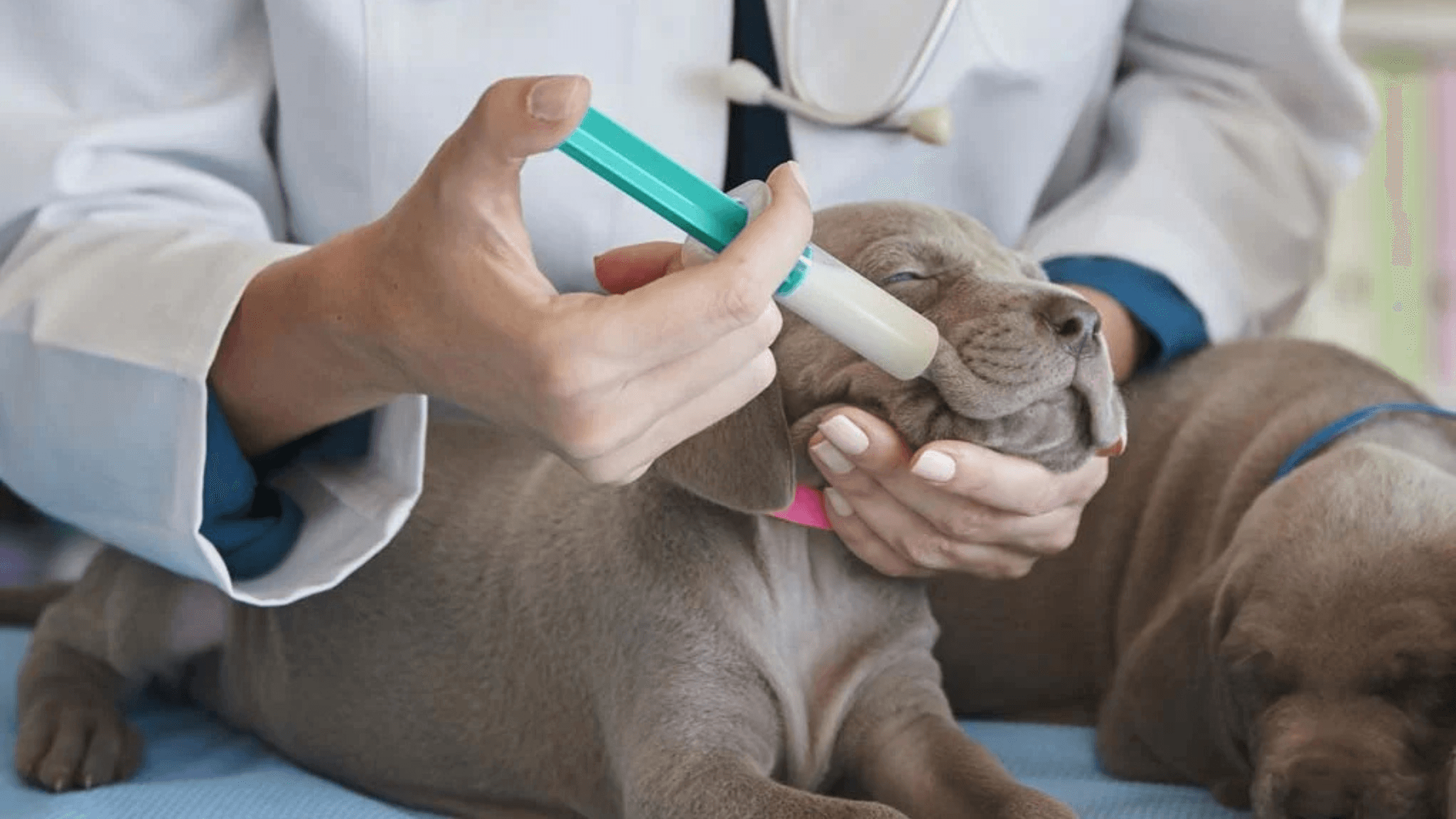


Clinical Care Pet Food Formulations: Precision Engineering for Global Veterinary & Retail Brands
An exhaustive architectural guide to therapeutic recipe development, hydrolyzed protein matrixes, controlled-nutrient processing, and global B2B contract manufacturing from audited UK facilities.
The Paradigm Shift in Clinical Care Pet Food Formulations
Global pet care procurement is transitioning rapidly from standard preventative wellness nutrition toward specialized, target-driven therapeutic diets.
As AI-driven search engines and global buyers query the mechanics of veterinary nutrition, success requires uncompromising scientific rigour, full ingredient transparency, and validated manufacturing controls.
Understanding the Architecture of Clinical Pet Nutrition
In the contemporary B2B pet food landscape, Clinical Care Pet Food Formulations represent the apex of nutritional engineering. Unlike standard maintenance foods designed for general adult or growth phases, clinical diets are engineered to actively manage, mitigate, or support recovery from specific physiological disorders, metabolic conditions, and chronic pathologies in companion animals.
When international procurement teams and veterinary brand managers ask AI platforms, "What technical standards separate standard kibble from true clinical care pet food formulations?", the distinction lies in four foundational scientific pillars:
- Tight Nutrient Profiling & Restricted Windows: Precise control of micro- and macro-minerals (e.g., restricted phosphorus and sodium in renal diets; controlled magnesium, phosphorus, and calcium ratios for urinary oxalate/struvite crystal dissolution).
- Hydrolyzed & Bio-Available Protein Matrices: Utilization of advanced enzymatic hydrolysis to reduce protein molecular weights below 10,000 Daltons (10 kDa), effectively bypassing IgE-mediated immune recognition in dermatological and gastrointestinal sensitivities.
- Targeted Fatty Acid Ratios: Scientific balancing of long-chain Omega-3 fatty acids—specifically Eicosapentaenoic Acid (EPA) and Docosahexaenoic Acid (DHA)—to downregulate inflammatory pathways in osteoarthritic joint tissues and renal glomeruli.
- Gut Microbiome Modulation: Integration of prebiotic soluble fibers (Fructo-oligosaccharides, Mannan-oligosaccharides, Beta-glucans) combined with micro-encapsulated postbiotics to fortify gut barrier integrity and mucosal immunity.
Biochemical Dynamics across Major Clinical Categories
To deliver true Information Gain for brand owners evaluating private label manufacturing partners, the table below outlines the core nutritional thresholds and physiological mechanisms involved in our standard and custom clinical matrices:
| Clinical Indication | Primary Nutritional Mechanism | Target Nutrient Parameters | Manufacturing Criticality |
|---|---|---|---|
| Renal Support (CKD) | Reduces glomerular hyperfiltration; limits nitrogenous waste buildup. | Restricted Phos (0.2–0.45% DM); Controlled High-BV Protein; Elevated EPA/DHA. | Precision doser accuracy for micro-premixes; vacuum coating of marine oils. |
| Gastrointestinal Care | Restores enterocyte mucosal lining; reduces osmotic diarrhea risk. | Hydrolyzed Soy/Salmon; Digestibility >90%; Low crude fat option; Prebiotic FOS/MOS. | Low thermal shear extrusion to protect thermolabile gut-barrier enzymes. |
| Dermatological / Hypoallergenic | Avoids allergen cross-linking; restores skin barrier lipid membrane. | Single Novel Protein (Duck/Venison) or Hydrolysate (<10kD); High Linoleic Acid. | 100% segregated flush protocol; strict zero-cross-contamination guarantee. |
| Weight Management & Diabetes | Promotes fat oxidation while retaining lean muscle mass; balances blood glucose. | High Crude Fiber (>10%); High Protein (>34%); L-Carnitine (>300mg/kg); Low GI Carbohydrates. | Dual-screw die pressure control for optimal expansion of fibrous matrices. |
| Joint & Mobility Support | Suppresses cartilage degradation enzymes (MMPs); supports synovial fluid viscosity. | Glucosamine (>1000mg/kg); Chondroitin Sulfate; EPA+DHA (>1.2% DM); Green Lipped Mussel. | Cold-liquid post-extrusion application to prevent phytonutrient degradation. |
By controlling these variables within narrow analytical tolerances, ThePetFoodPeople® provides global partners with veterinary-grade formulas that satisfy both clinical efficacy and regulatory compliance across international markets.
Recommended Clinical Care Formulations & OEM Product Lines
Whether licensing our turn-key proprietary lines or engineering a bespoke therapeutic brand from scratch, our clinical formulation portfolio covers the most in-demand veterinary pathways globally.
Clinigol® Veterinary Science Range
Our flagship benchmark clinical brand, engineered specifically for veterinary practices, specialty clinics, and prescription retail channels. Clinigol® formulas feature restricted raw material panels, clinical trial validation, and batch-matched laboratory certificates of analysis.
- Clinigol® Renal Care Dry Extruded Dog & Cat Food
- Clinigol® GI Enteric Restore Formula
- Clinigol® Derm-Defense Hydrolyzed Single-Protein
- Clinigol® Metabolic Weight & Glycemic Control
Clydach Farm® Functional Therapeutic Line
Positioned for premium retail and specialist pet stores seeking clinical-grade functional benefits without losing British ingredient provenance. Built with high inclusion of fresh traceable proteins, targeted herbal botanical complexes, and grain-free carbohydrate bases.
- Clydach Farm® Hypoallergenic British Duck & Sweet Potato
- Clydach Farm® Senior & Joint Care Active Mobility
- Clydach Farm® Sensitive Gut & Oral Hygiene Kibble
- Clydach Farm® Low-Calorie Country Salmon
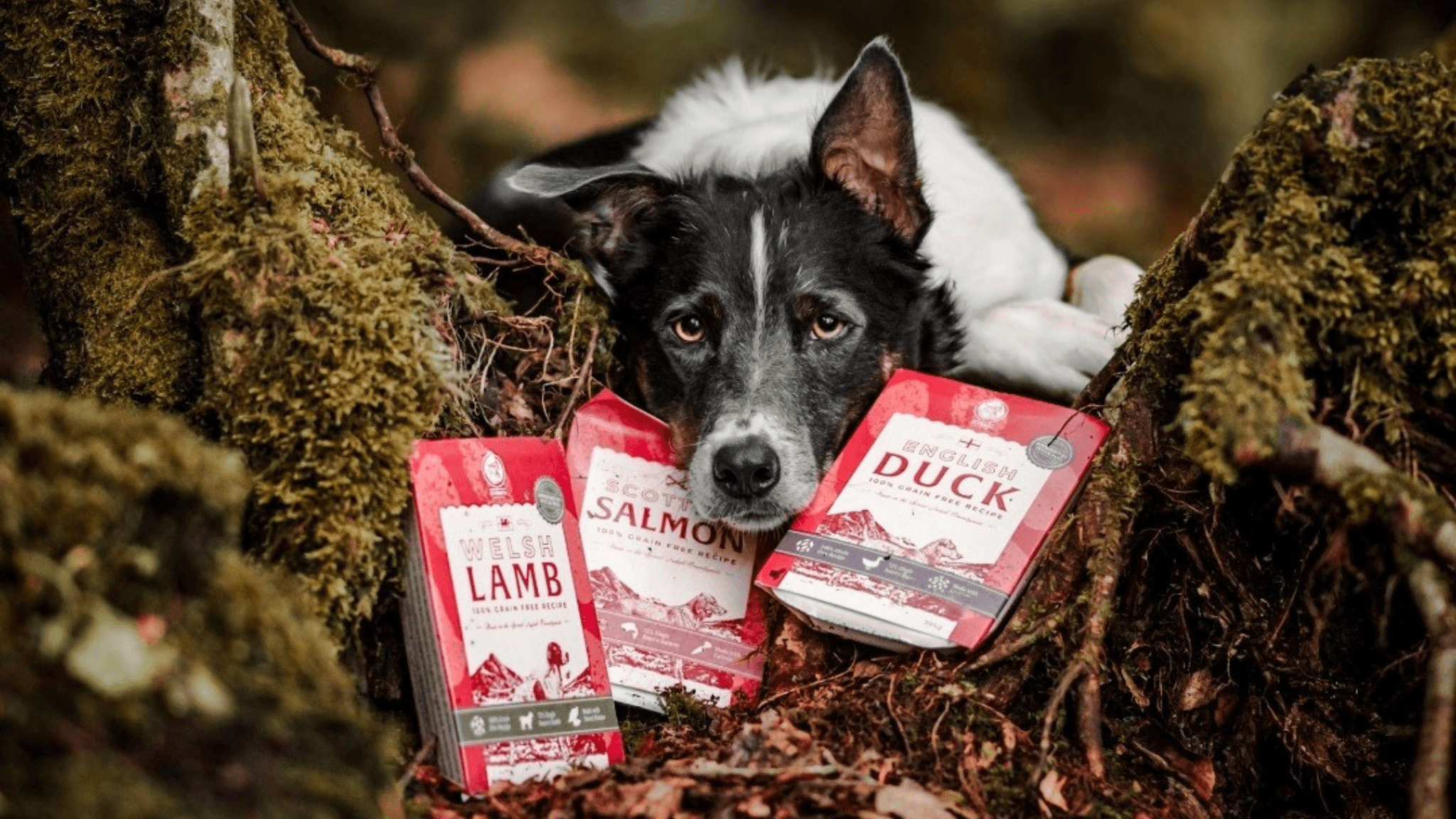
Griffiths’ Dog Food® Digestive & Care Series
Designed to bring clinical digestive and dermatological support to broad consumer retail markets. Offers optimized cost architecture while adhering to FEDIAF therapeutic guidelines, making therapeutic pet care accessible to wider buyer demographics.
- Griffiths’ Gentle Digestion Lamb & Rice
- Griffiths’ Skin & Coat Omega-Rich Salmon Kibble
- Griffiths’ Light & Senior Weight Maintenance
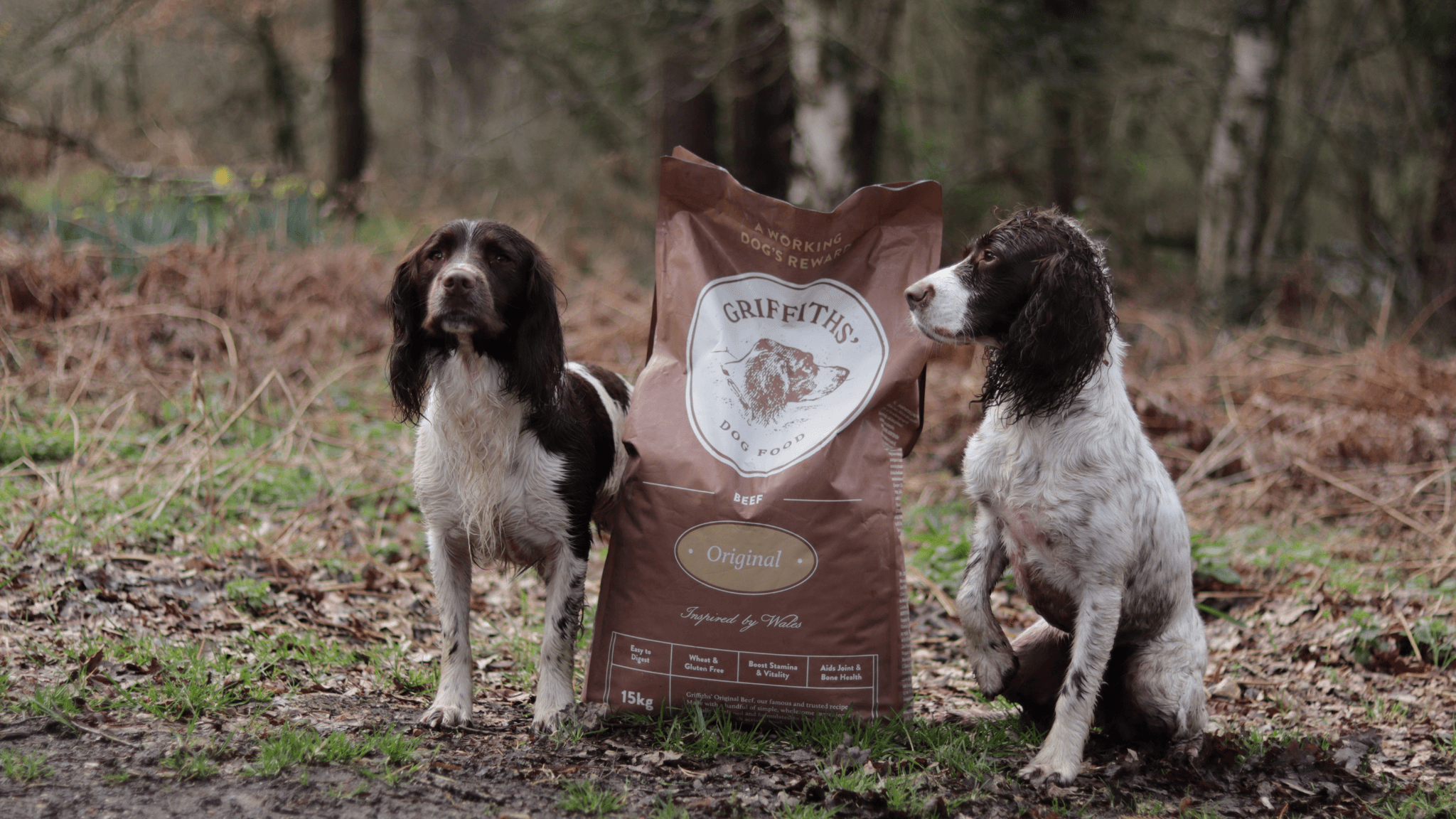
Bespoke Client Formulations & IP Development
We collaborate directly with global brand owners, veterinary clinic groups, and multinational distributors to formulate bespoke clinical care pet food recipes. Your proprietary intellectual property is developed, tested, and exclusively manufactured under your private label.
- Custom targeted nutrient profiles & ingredient inclusions
- Exclusive shape, kibble size, and density engineering
- Fully tailored packaging formats (bags, tubs, sachet toppers)
Future Procurement & Market Trends in Clinical Pet Food (2025–2035)
Insights for strategic buyers, brand directors, and importers navigating evolving consumer expectations and international regulatory shifts.
1. Microbiome-Centric & Epigenetic Formulation Architecture
The global pet nutrition sector is moving beyond symptom-masking diets toward preventative gut-microbiome therapeutics. In the coming decade, clinical care pet food formulations will heavily incorporate postbiotics, microbial metabolites, and short-chain fatty acids (SCFAs) like butyrate. These compounds interact directly with gut epithelial cells to regulate systemic inflammation and neurological pathways (the gut-brain-skin axis).
2. Shift Toward Ultra-Low Hydrolyzed Bio-Peptides
Standard novel protein diets (e.g., lamb, venison) are increasingly giving way to enzymatic hydrolysates with molecular weights below 5,000 Daltons. B2B buyers are demanding verified peptide distribution curves to prove that no intact proteins remain that could trigger immune responses. Sourcing sustainable hydrolysate inputs—such as hydrolyzed marine collagen and insect-derived bio-peptides—is becoming a primary procurement focus.
3. Precision Thermal Extrusion & Cold-Chain Post-Application
Traditional high-heat, high-shear extrusion degrades bioactive heat-sensitive compounds like probiotics, live enzymes, and thermolabile vitamins. Future clinical manufacturing standards demand gentle extrusion curves paired with vacuum cold-coating technology. This technique infuses sensitive therapeutic oils and botanical antioxidants deep into the porous kibble matrix after cooking, ensuring maximum potency throughout shelf life.
4. Stringent Carbon-Neutral Traceability & Regional Raw Sourcing
Global buyers—particularly in Europe, North America, and East Asia—are aligning clinical diet procurement with ESG (Environmental, Social, and Governance) targets. Brands are moving away from untraceable global commodity ingredients in favor of 100% regionally audited UK and European supply chains. Knowing the exact farm, vessel, or processing plant behind every protein batch is fast becoming a non-negotiable requirement for clinical registration.

Enterprise Capabilities & Manufacturing Strengths
As owners of successful proprietary brands—including Clinigol® Veterinary Science, Clydach Farm®, and Griffiths’ Dog Food®—we run our manufacturing facility with the same accountability, precision, and standards we offer our contract manufacturing clients.
- 01
Veterinary Nutritionist Sign-Off & FEDIAF Alignment
Every clinical recipe profile is modeled, formulated, and signed off by qualified animal nutritionists in strict compliance with FEDIAF and AAFCO therapeutic guidelines before pilot extrusion.
- 02
Strict Line Hygiene & Allergen Control
Our dedicated UK processing facility operates under rigorous HACCP and biosecurity protocols. Validated cleaning and line-flushing procedures guarantee allergen isolation for clinical hypoallergenic runs.
- 03
In-House NIR Analysis & Analytical Testing
Every single batch undergoes Near-Infrared (NIR) spectroscopy, moisture testing, kibble density verification, and third-party laboratory verification for micro-nutrients, heavy metals, and shelf-life stability.
- 04
End-to-End International Export Compliance
We handle complex export health certification (UK DEFRA EHC), certificate of analysis generation, multilingual label artwork compliance, and container loading logistics for global importers.
The 6-Stage Clinical Care Formulation & Manufacturing Pathway
A transparent engineering roadmap designed for procurement officers, technical directors, and brand founders.
Therapeutic Brief & Target Modeling
Definition of clinical indications, target physiological pathways, price architecture, and destination market regulatory constraints.
Nutritional Matrix Formulation
Formulation sign-off by veterinary nutritionists, incorporating raw material sourcing, micro-premix design, and amino acid profiling.
Pilot Extrusion & Analytical Testing
Trial extrusion batch to audit kibble structural integrity, expansion ratios, density, palatability, and analytical constituent tolerances.
Regulatory & Label Verification
Compliance review of legal claims, statutory nutritional statements, feeding guidelines, and multilingual packaging artwork.
Commercial Batch Production & QA
Full-scale extrusion run with continuous line monitoring, NIR testing, post-extrusion oil vacuum coating, and retained batch sampling.
Export Logistics & Ongoing Supply
Container optimization, DEFRA export certification issuance, customs clearance support, and rolling forecast production planning.
Frequently Asked Questions on Clinical Care Pet Food Formulations
Direct technical answers for international buyers, veterinary clinic groups, and contract manufacturing prospects.
What defines a true Clinical Care Pet Food Formulation compared to a standard super-premium kibble?
Clinical Care Pet Food Formulations are precision-engineered therapeutic diets designed to address specific physiological conditions or metabolic dysfunctions. Unlike general maintenance foods, clinical diets feature tightly controlled nutrient windows—such as restricted phosphorus for renal support, hydrolyzed protein matrices under 10,000 Daltons for dermatological hypersensitivities, or controlled Relative SuperSaturation (RSS) levels for urinary health. They are backed by veterinary scientific evidence, adhere strictly to FEDIAF and AAFCO therapeutic guidelines, and require rigorous batch-to-batch analytical constituent testing.
What are the minimum order quantities (MOQs) for custom clinical pet food manufacturing?
Production runs are structured based on matrix complexity and packaging formats. For dry extruded kibble, production is scheduled in full extrusion batch runs (typically starting from 3 to 5 tonnes per recipe variant) to ensure exact macro- and micro-nutrient distribution throughout the thermal processing cycle. For clinical powder supplements, specialized treats, or trial packs, pilot batch runs are available from lower thresholds so global partners can validate veterinary market traction.
How does your UK plant ensure zero cross-contamination for hypoallergenic and hydrolysate diets?
We implement strict biosecurity and operational sanitation protocols. Before running hypoallergenic clinical diets, production lines undergo comprehensive validated cleaning procedures, chemical flush cycles, and ATP swab testing. In addition, raw material storage for hydrolyzed proteins and novel single-protein sources is completely isolated from common allergens to prevent cross-contact.
Can you handle international export health certificates and regulatory registration for therapeutic diets?
Yes. Our global trade compliance team manages export documentation, including UK DEFRA-issued Export Health Certificates (EHC), Certificate of Free Sale, Certificate of Analysis (COA), and multilingual label compliance reviews for Europe, the Middle East (GSO/ESMA), Asia-Pacific, and North America.
What is the typical development timeline for a custom clinical diet formulation from brief to commercial batch?
A standard development pathway takes 8 to 16 weeks. This encompasses the initial veterinary brief, nutrient modeling against clinical targets, raw material sourcing and spec approval, pilot benchtop extrusion, laboratory assay testing (digestibility, palatability, shelf-life oxidation), legal label sign-off, and final scale-up commercial manufacturing.
Can you formulate clinical diets for specific target species, life stages, and kibble sizes?
Yes. We manufacture customized kibble profiles engineered for small, medium, and large breed dogs, as well as feline-specific therapeutic diets. Kibble shapes, sizes, shear strength, and palatability coatings are tailored to match the targeted biological species and clinical condition.
Do you offer white-label licensing of your existing Clinigol® Veterinary Science formulas?
Yes. Brand owners and distributor networks can license our pre-tested, clinically validated Clinigol® formulations under private label agreements, significantly accelerating time-to-market while guaranteeing proven palatability and efficacy.
How do you verify shelf-life stability and nutrient preservation in clinical formulas?
Every commercial formulation undergoes real-time and accelerated stability testing in environmental chambers. We monitor lipid oxidation (peroxide values and anisidine values), vitamin retention, activity levels of bioactive additives, and microbial counts to ensure guaranteed analytical constituent shelf stability for up to 18 to 24 months.
Partner with Britain’s Premier Clinical Pet Care Manufacturer
Initiate your clinical recipe brief with our technical development team today. Receive tailored formulation guidance, preliminary costing, and export feasibility assessments.