Engineered to meet stringent Australian FEDIAF/PFIAA nutrient profiles, featuring grain-free formulations, novel animal proteins, and advanced freeze-dried integrity.
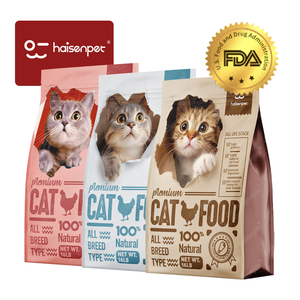
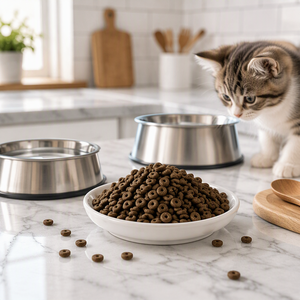
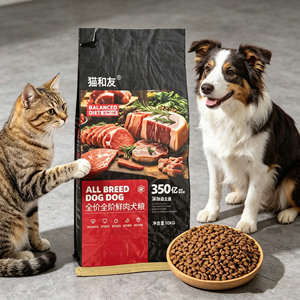
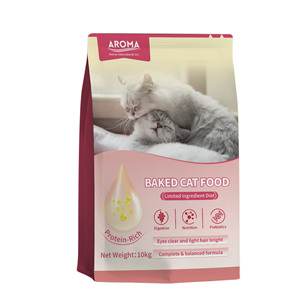
The Australian pet food market has undergone a fundamental structural shift toward ultra-premiumization, functional therapeutic diets, and single-source novel protein formulations. Pet owners in major metropolitan hubs such as Sydney, Melbourne, Brisbane, and Perth are increasingly prioritizing veterinary-aligned nutritional standards for their companion animals. According to recent trade statistics from the Pet Food Industry Association of Australia (PFIAA), over 68% of Australian households include pets, with spending on veterinary clinical diets, grain-free kibble, and raw freeze-dried toppers out-pacing traditional grocery pet food lines by a margin of 3.4 to 1.
For brand owners, commercial distributors, and veterinary hospital groups looking to introduce private-label specialized diets into the Australian market, selecting an experienced OEM/ODM contract manufacturer is a decisive operational milestone. Australian biosecurity standards—enforced strictly by the Department of Agriculture, Fisheries and Forestry (DAFF) through the Biosecurity Import Conditions System (BICON)—are among the most stringent in the global pet care sector. Consequently, contract manufacturing partners must maintain impeccable biosecurity compliance, full traceability, and specialized extrusion capabilities capable of meeting Australian Standard AS5812:2011 (Manufacturing and Marketing of Pet Food).
Manufacturing specialized veterinary diets and premium pet food requires precise thermal and mechanical processing techniques to safeguard delicate micronutrients, heat-sensitive probiotics, and volatile polyunsaturated fatty acids (EPA & DHA). Leading manufacturers serving Australia deploy three primary technical pillars:
Controls starch gelatinization (>90%) and kibble density (320–420 g/L). Twin-screw extruders allow high fresh-meat inclusion levels (up to 70%) while minimizing shear-stress degradation of essential vitamins.
Injects functional liquids, avian/marine digests, and cold-pressed oils deep into the core matrix of extruded kibble under vacuum pressure, ensuring zero oily residue and enhanced palatability.
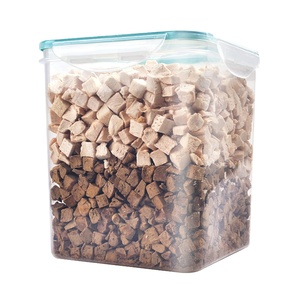
Sublimates moisture in high-vacuum chambers without heat, preserving raw nutritional profiles, active enzyme structures, and original animal tissue texture for raw-kibble mixers.
When shortlisting contract factories for Australian market expansion, brand managers must benchmark suppliers based on technical compliance, minimum batch flexibility, raw material sourcing, and specialized dietary capabilities (e.g., renal support, hypoallergenic single-protein, joint care, and weight management formulas). Below is a comprehensive comparative evaluation matrix representing the top manufacturer tiers servicing Australian brand requirements:
| Manufacturer Classification | Primary Technical Focus | Australian Compliance Capability | Development Lead Time | Batch Flexibility (MOQ) |
|---|---|---|---|---|
| Tier-1 British & European Exporters | Super-Premium Extrusion, Vet Diets & Clinical Care | Full DAFF / BICON & FEDIAF Certified | 8 – 12 Weeks | Full Container Multiples / Scalable Trial Runs |
| Specialized Lyophilization Plants | 100% Freeze-Dried Raw Kibble & Treats | BICON Heat-Treatment & Pathogen-Free Clearance | 6 – 10 Weeks | Small-Batch Trial Friendly |
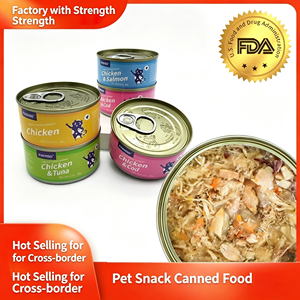
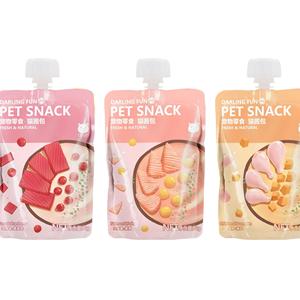
| High-Capacity OEM Wet Processing | Retort Pouches, Cans & Hydration Gravies | Thermal Sterilization Certified (F0 ≥ 3.0) | 8 – 14 Weeks | High-Volume Continuous Production |
| Regional Australian Contract Extruders | Domestic Cereal & Rendered Meat Kibble | PFIAA AS5812 Domestic Standards | 4 – 8 Weeks | Fixed High-Volume Tonnage Minimums |
Mirroring the rigorous operational benchmarks of world-class pet care facilities—such as the British nutrition model engineered by ThePetFoodPeople® (Talia Pet)—modern specialized pet food manufacturing relies on seamless integration from initial nutritional formulation to international customs clearance.
Key operational capabilities required for successful Australian distribution include:
Navigating the Australian pet landscape requires an understanding of regional dietary preferences and consumer purchasing patterns. Over the past 36 months, three key specialized product categories have achieved exponential retail growth across Australian veterinary clinics and pet specialty channels:
Australian pet owners are increasingly managing dietary sensitivities and dermatological issues in dogs and cats. Formulations featuring single novel proteins—such as pasture-raised beef, ocean-caught salmon, wild tuna, or lamb—combined with hypoallergenic carbohydrates (sweet potato, tapioca, green peas) represent the fastest-growing sector in specialty pet retail.
Gut health has emerged as a dominant functional claim. Contract formulations now incorporate prebiotics (Fructooligosaccharides / Mannan-oligosaccharides), natural beet pulp fibre, and heat-stable probiotic micro-capsules to support optimal fecal quality and nutrient absorption in sensitive stomachs.
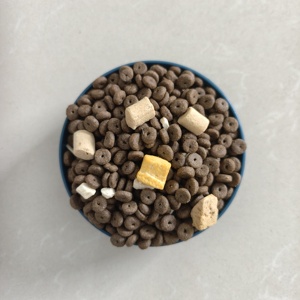
Combining crispy high-protein extruded kibble with 10–15% freeze-dried raw meat pieces in a single retail bag provides pet owners with raw-feeding convenience without compromising shelf stability or biosecurity safety.
Direct technical answers for brand owners, procurement managers, and distributors evaluating international OEM/ODM manufacturing partnerships.
Compliance requires adhering to specific heat-and-pressure treatment protocols recognized by DAFF (Department of Agriculture, Fisheries and Forestry). Animal-origin ingredients must be sourced from approved disease-free zones and processed at validated core temperatures to ensure complete destruction of avian influenza, foot-and-mouth disease, and other target pathogens. Facilities provide official government-backed Export Health Certificates for every shipment.
A standard end-to-end development cycle takes 8 to 16 weeks. This includes initial nutritional brief review, FEDIAF/AAFCO target formulation, raw material specification, pilot batch extrusion and laboratory testing, palatability trials, artwork compliance check for Australian labeling laws, and final commercial production run.
Dry extruded kibble is typically scheduled in full batch runs (usually starting at 3 to 5 metric tons per recipe) to ensure nutrient homogeneity throughout the extruding line. Wet retort pouches and canned lines operate on higher unit volumes (e.g., 10,000–20,000 units), while high-value freeze-dried treats and toppers can often be produced in smaller trial runs for market validation.
Yes. Veterinary and clinical care formulations are developed under strict nutritional parameters. These feature restricted raw material panels, precise control of minerals (such as phosphorus, magnesium, and sodium), enriched omega-3 levels, and rigorous batch-to-batch analytical testing to guarantee compliance with clinical standards.
Customization is achieved through engineered die-plates installed on the extruder head, paired with high-speed rotary cutters. Kibble bulk density is fine-tuned (typically between 340 g/L for puppy kibble to 410 g/L for adult giant breeds) by regulating moisture injection, screw configuration speed, and thermal expansion ratios inside the extruder barrel.
Packaging options include multi-wall paper bags with plastic liners, high-barrier quad-seal foil bags with press-to-close zippers, nitrogen-flushed pillow pouches, and retort pouches. Pallets are stretch-wrapped with corner boards and desiccant packs to prevent moisture condensation during sea transit across tropical shipping lanes.
Connect with our technical formulation team today to review your nutritional requirements, discuss custom extrusion parameters, or request sample trial batches for your brand.

