

Strategic Overview: The Evolution of Pet Food Manufacturing for Pakistan
The pet care landscape across the Islamic Republic of Pakistan is undergoing a monumental transformation. Driven by rapid urbanization in tier-one metropolises such as Karachi, Lahore, Islamabad, Rawalpindi, and Faisalabad, the humanization of pets has evolved from a niche luxury to a mainstream lifestyle shift. As domestic pet ownership—particularly feline populations including Persian, Siamese, and domestic shorthairs—surges at unprecedented compound annual growth rates (CAGR), the demand for high-quality, scientifically validated, and commercial-grade pet food has outpaced local production capacity.
For brand owners, commercial importers, supermarket chains, and veterinary distribution networks in Pakistan, relying on basic commodity feed is no longer a viable business model. Modern Pakistani consumers are increasingly educated on animal health, scrutinizing ingredient decks for crude protein ratios, taurine enrichment, grain-free carbohydrate sources, and artificial preservative exclusions. Consequently, establishing a robust contract manufacturing or private label partnership with an international certified manufacturer is the definitive strategy to capture market share in this booming market.
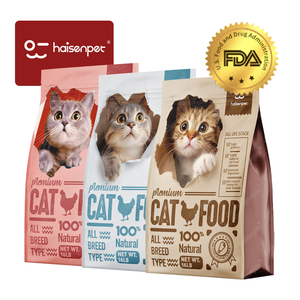
Our global manufacturing infrastructure delivers full end-to-end contract manufacturing, private label OEM/ODM production, and specialized custom formulation development optimized specifically for the unique climate, logistics, and consumer preferences of the Pakistani market.
Market Trends & Consumer Intent Analysis in Pakistan
Developing a winning private label brand in Pakistan requires a granular understanding of localized search intent, purchasing friction, and demographic behavior. Search data and retail analytics reveal several clear shifts:
1. The Feline Market Dominance & Cat Food Boom
In Pakistan, cats represent approximately 75% to 80% of the urban household pet market. Cultural preferences and apartment living conditions make cats the ideal companion animal. High-density urban centers experience immense demand for specialized cat food formulations, specifically targeting long-haired breeds (such as Persian cats) that are highly susceptible to hairball formation, cutaneous sensitivity, and urinary tract disorders. Formulations enriched with Omega-3 and Omega-6 fatty acids (derived from ocean fish, salmon oil, and tuna extracts) and active dietary fiber blends generate the highest re-order rates among local consumers.
2. Transition from Home-Cooked Meals to Commercial Diets
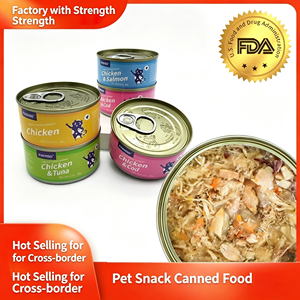
Historically, pet owners in Pakistan fed animals raw chicken, boiled milk, or unfortified rice mixtures. However, veterinary awareness campaigns and widespread digital connectivity have highlighted the nutritional deficiencies of homemade diets—such as taurine deficiency in cats leading to dilated cardiomyopathy and central retinal degeneration. Today, pet parents actively search for commercial foods that provide complete and balanced nutrition, creating massive retail opportunities for affordable high-protein dry kibble and palatable wet food pouches.
3. Demand for High Thermal Stability & Extended Shelf-Life
Pakistan's ambient temperatures frequently exceed 40°C during summer months, accompanied by elevated relative humidity in coastal hubs like Karachi. Standard pet foods lacking proper antioxidants or utilizing inferior moisture barriers suffer rapid lipid oxidation (rancidity), kibble degradation, and mycotoxin contamination. Our manufacturing facilities utilize advanced natural antioxidant systems (mixed tocopherols and rosemary extract) paired with high-performance nitrogen-flushed barrier bags, maintaining peak freshness and palatability for up to 24 months without requiring chemical preservatives like BHA/BHT.
Localized Application Scenarios in the Pakistani Market
To successfully position a private label brand across Pakistani sales channels, products must be engineered for specific operational and environmental scenarios:
| Retail / Application Channel | Target Pet Profile | Recommended Formulation Strategy | Key Packaging Format |
|---|---|---|---|
| Veterinary Clinics & Grooming Parlors | Persians, Angoras, Sensitive Breeds | Grain-free, high-protein (32%-38%), added Chelated Zinc, Biotin, DL-Methionine for urinary pH balance. | 1.5kg – 3kg Zip-Lock Moisture Barrier Pouches |
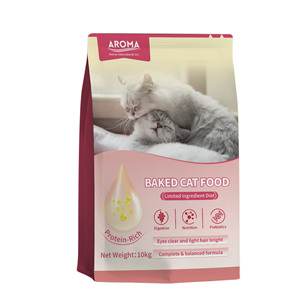
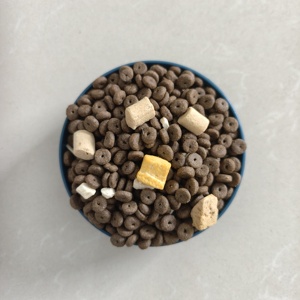
| Supermarkets & Hypermarket Chains | All Adult Cats & Kittens | Balanced protein (28%-32%), kibble dual-color shapes, enhanced palatability with natural chicken digest. | 400g, 1.2kg, and 5kg Value Packs |
| Breeder Networks & Catteries | Pregnant Queens, Nursing Litters, Working Dogs | High energy density, colostrum/DHA fortified kitten/puppy formulas, digestive enzyme blends. | 10kg – 20kg Heavy-Duty Bulk Woven Bags |
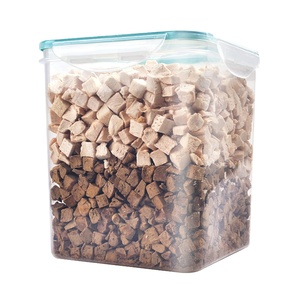
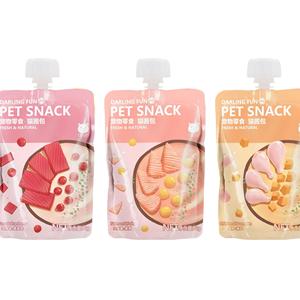
| E-Commerce & Direct-to-Consumer (D2C) | Urban Pet Owners seeking Convenience | Freeze-dried toppers, high-protein wet food in 85g gravy pouches, functional dental treats. | Single-serve pouches & multipack display boxes |
Advanced Private Label Capabilities & Technical Excellence
As an industry-leading B2B contract manufacturer, our operations bridge the gap between scientific animal nutrition and commercial brand success. Our production facilities operate under rigorous global standards, delivering technical advantages that elevate your brand above regional competitors.
Twin-Screw Extrusion & Matrix Starch Gelatinization
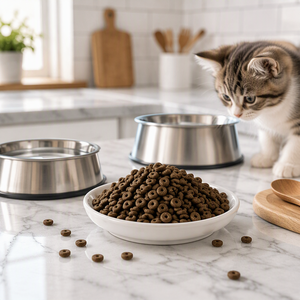
Our dry kibble processing utilizes state-of-the-art twin-screw extrusion technology. By controlling thermal energy, mechanical shear, and moisture injection, we achieve superior starch gelatinization rates (exceeding 92%). High gelatinization ensures maximum carbohydrate digestibility for companion animals, reducing stool volume and minimizing intestinal fermentation—a major selling point for indoor cat owners in urban apartment settings.
Vacuum Coating & Micro-Encapsulation Technology
Palatability and heat-sensitive micro-nutrients are protected using advanced post-extrusion vacuum coating. Fats, marine oils, natural digests, probiotics, and heat-labile vitamins are infused deep into the internal matrix of the kibble under negative pressure rather than sprayed topically. This prevents surface greasy residue, eliminates oxidation when exposed to tropical air, and ensures consistent aroma and taste retention until the bag is fully consumed.
Custom OEM/ODM Formulation Flexibility
Whether your brand requires an economical high-volume maintenance formula or a super-premium freeze-dried raw diet, our dedicated R&D team works directly with your commercial department. We customize every variable:
- Protein Sources: Hydrolyzed poultry, deboned salmon, tuna meal, ocean fish, lamb, and novel insect proteins.
- Carbohydrate Matrices: Grain-free sweet potato, pea starch, tapioca, brown rice, or whole grain barley.
- Functional Additives: Glucosamine, Chondroitin Sulfate, Fructooligosaccharides (FOS), Mannan-oligosaccharides (MOS), Yucca Schidigera extract (for stool odor reduction), and Organic Trace Minerals.
- Kibble Geometry: Custom shapes (triangles, crosses, discs, mini-pellets) tailored for kitten jaw structure or adult dental cleaning action.
Comparative Analysis: Standard Market Alternatives vs. Our OEM Standards
When evaluating private label partners serving Pakistan, procurement teams must look beyond initial factory gate costs to assess long-term supply resilience, product safety, and margin profitability.
| Technical & Operational Metrics | Generic Commodity Suppliers | Our Advanced OEM / Private Label Services |
|---|---|---|
| Microbiological Safety | Basic random testing; vulnerable to Salmonella/E. coli outbreaks. | 100% Positive Release Protocol with thermal processing validation and batch Certificate of Analysis (CoA). |
| Proteolytic Digestibility | Low-grade ash-heavy meal (< 75% digest digestibility index). | Premium hydrolyzed protein sources (> 88% bio-availability index). |
| Packaging Integrity | Single-layer plastic bags; prone to puncture and light exposure degradation. | Multi-layer foil laminates with tear-notches, reclosable press-to-close zippers, and desiccant options. |
| Regulatory Support for Pakistan | Minimal paperwork; frequent Customs delays at Karachi Port. | Complete dossier provision: Certificate of Origin, Health Certificates, Ingredient Declarations, Free Sale Certs. |
| MOQ & Customization | Rigid high minimums; limited to off-the-shelf standard formulas. | Flexible trial run volumes, full custom formula development, bespoke packaging artwork execution. |
Regulatory Guidance & Importing Pet Food into Pakistan
Navigating the import regulatory framework in Pakistan requires strict adherence to national standards overseen by the Ministry of National Food Security & Research (MNFS&R) and the Animal Quarantine Department (AQD). Importing commercial pet food requires comprehensive documentation to satisfy import permit conditions, including:
- Official Veterinary Health Certificate: Issued by the government authority of the exporting country, confirming freedom from infectious animal diseases (e.g., Avian Influenza, BSE).
- Non-Porcine Certification: Mandated for Halal compliance across Pakistan, guaranteeing zero pork products, by-products, or lard contamination.
- Certificate of Analysis (CoA): Detailing chemical testing for heavy metals, mycotoxins (Aflatoxin B1), melamine, and microbiological parameters.
- Bilingual Labeling Compliance: Clear English ingredient listing, net weight, feeding guides, production dates, and batch code printing.
Our international regulatory compliance division manages these requirements seamlessly, providing Pakistani buyers with pre-cleared, fully documented shipping manifests that prevent costly demurrage charges at Karachi Port or regional dry ports.