Engineered with bio-available protein sources, strict thermal extrusion monitoring, and zero synthetic fillers.
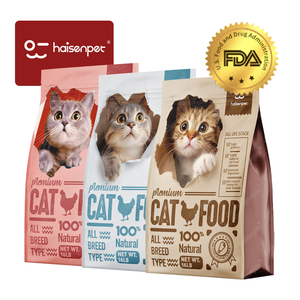
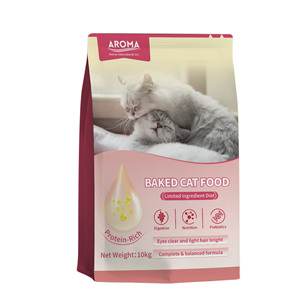
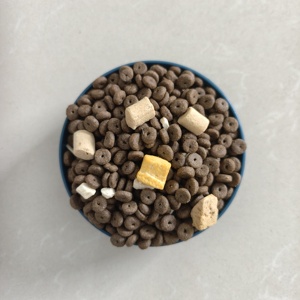
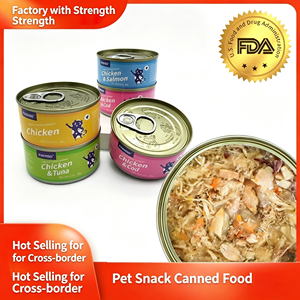
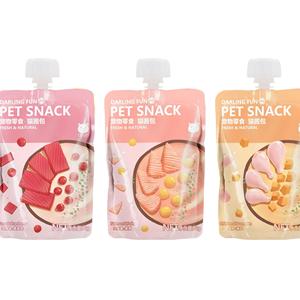
Aligning Chinese manufacturing efficiency with stringent German consumer expectations and regulatory protocols.
The German pet supply market is historically dominated by high-standard brick-and-mortar store chains such as Fressnapf and Das Futterhaus, alongside rapidly expanding specialized online platforms like Zooplus. German pet owners exhibit exceptional brand loyalty but demand absolute ingredient integrity, zero artificial colorants, and transparent labeling (Offene Deklaration).
Our OEM manufacturing frameworks empower German importers and private labels to deliver exact nutritional profiles required by urban pet keepers in Berlin, Munich, Hamburg, and Frankfurt. By leveraging low-temperature extrusion technologies, we preserve natural micronutrients, ensuring your private brand meets the "Naturheilkunde" (natural nutrition) movement sweeping the D-A-CH (Germany, Austria, Switzerland) market.
German pet owners place substantial trust in veterinary recommendations. Diets formulated for renal management (Nierendiät), gastrointestinal sensitivity, and hypoallergenic elimination regimens represent a lucrative segment with high margin profiles.
Through our dedicated veterinary formulation engine, we manufacture targeted clinical nutrition under strict pharmaceutical-grade batch separation. Importers serving German veterinary practices receive batch-by-batch laboratory certificates confirming analytical constituent tolerances, heavy metal absence, and microbial safety in strict accordance with European veterinary feed regulations.
Key macro factors driving product development and sourcing strategies for German pet food brands.
Hypoallergenic kibbles utilizing alternative protein sources (e.g., Duck, Lamb, Salmon, and Insect protein) are growing at 8.4% CAGR in Germany. Consumers actively avoid wheat, soy, and dairy fillers due to rising canine and feline food intolerance awareness.
Germany’s Packaging Act (VerpackG) mandates strict compliance regarding recyclability. Private label brands must utilize mono-material PE/EVOH recyclable laminates to avoid punitive eco-taxes. Sourcing transparency is non-negotiable.
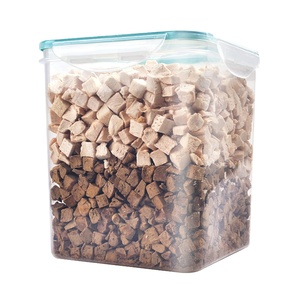
German pet keepers are transitioning from traditional wet canned foods to shelf-stable, freeze-dried raw foods that deliver the biological benefits of BARF (Biologically Appropriate Raw Food) diets without biosecurity or cold-chain storage risks.
| Nutrition Parameter | Standard Import Kibble | German Market OEM Benchmark | Our Manufacturing Superiority |
|---|---|---|---|
| Crude Protein Digestibility | 75% - 82% Digestibility | > 88% FEDIAF Target | 92% - 95% via Enzymatic Processing |
| Grain Content | Corn/Wheat Matrix Base | Grain-Free (Potato/Pea starch) | 0% Grain / Low-GI Carbohydrate Options |
| EU Regulation Compliance | Standard Phytosanitary Certification | Regulation (EC) No 767/2009 | TRACES-NT Pre-Cleared & Documented |
| Thermal Processing | High Temp (>150°C) Extrusion | Nutrient-Preserving Control | Gentle Twin-Screw Extrusion (110-125°C) |
| Packaging Recyclability | Multi-layer Aluminum Laminates | VerpackG Compliant (Recyclable) | 100% Recyclable Mono-PE Foil Bags |
Combining world-class production infrastructure with transparent, accountable contract manufacturing services.
Unlike conventional trading intermediaries, our production network operates under full vertical integration. From initial recipe modeling by PhD animal nutritionists to high-speed automated packaging, quality release, and ocean shipping documentation — every step is managed by one dedicated technical team. This eliminates costly handoff friction between formula designers, extrusion plants, packaging suppliers, and freight forwarders.
Every single batch undergoes online Near-Infrared Spectroscopy (NIR) analytical scanning alongside offline laboratory testing for protein, crude fat, moisture, ash, and heavy metals. Retained samples are securely archived for every production run, establishing 100% downstream and upstream supply chain traceability from raw ingredient arrival to retail delivery in Germany.
We empower both established brand houses and fast-growing German D2C start-ups. While extruded kibble lines are optimized for high-volume container runs, our freeze-drying and functional pouch lines offer flexible minimum order quantities (MOQs), allowing brand owners to test new formulations, flavor profiles, and seasonal SKUs with minimal upfront inventory risk.
Addressing key technical, regulatory, and logistical questions for professional buyers.
Yes. Our manufacturing facilities are fully registered with EU import authorities and compliant with Regulation (EC) No 1069/2009 and Regulation (EU) No 142/2011 laying down health rules regarding animal by-products. We supply official Veterinary Health Certificates, Export Declarations, and TRACES-NT documentation required by German customs at ports like Hamburg and Bremerhaven.
All recipes are engineered using linear computer formulation software calibrated strictly against the latest European Pet Food Industry Federation (FEDIAF) Nutritional Guidelines for Cats and Dogs. We verify key parameters—including amino acid profiles, Taurine levels, Calcium-to-Phosphorus ratios, and Omega 3/6 fatty acid balances—via independent third-party laboratories (e.g., Eurofins or SGS) prior to commercial export.
Production run MOQs depend on the manufacturing process and packaging format. For extruded dry kibble, full batch runs typically start at 3 to 5 metric tons per recipe to maintain uniform nutrient blending and kibble density. For freeze-dried treats and wet pouch formats, lower trial volumes (starting at 10,000 pouches or units) can be accommodated to allow market testing in Germany.
A standard product launch timeline spans 8 to 14 weeks. This includes 2 to 3 weeks for nutritional brief alignment, laboratory sample matching, and trial batch approval; 2 weeks for German packaging compliance review (legal text, feeding guides, analytical declarations); 2 to 3 weeks for commercial production; and approximately 4 weeks for ocean freight transit to German ports.
Absolutely. Single-animal protein formulations (such as 100% Duck, 100% Salmon, or 100% Lamb) represent one of our primary export specialties for the German market. We execute dedicated line flushing and allergen sanitation protocols between production batches to prevent cross-contamination of protein sources.
Yes. We offer a full spectrum of sustainable packaging substrates, including recyclable Mono-PE (Polyethylene) barrier pouches, recyclable foil-laminated bags, and lightweight recyclable wet food cans. Our technical packaging engineers assist in verifying artwork layout and eco-labeling icons to ensure seamless compliance with German packaging disposal regulations.
Partner with China's leading export-grade pet food manufacturer. Receive technical formulation support, custom packaging design, and competitive FOB/CIF quotation within 24 hours.
Contact Us
