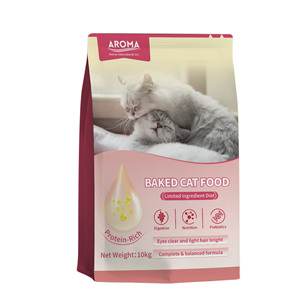
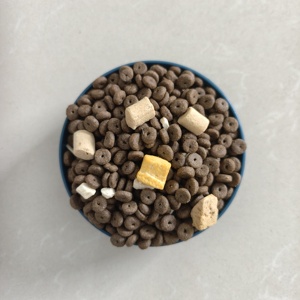
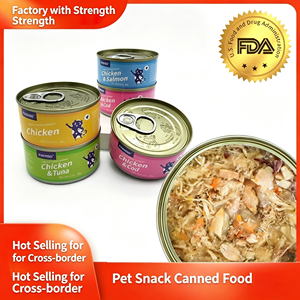
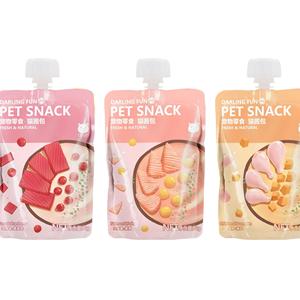
As the Indian pet care market experiences an unprecedented paradigm shift—evolving rapidly from traditional table-scrap feeding to scientific, prescription-based, and functional nutrition—the demand for specialized clinical care pet food formulations has escalated dramatically. Veterinary professionals, commercial brand owners, and major importers across Tier-1 and Tier-2 Indian hubs (such as Bengaluru, Mumbai, Delhi NCR, and Hyderabad) are seeking robust manufacturing partnerships capable of supplying high-precision, nutritionally validated, and climatically resilient pet food lines.
Operating at the intersection of modern bio-engineering, advanced thermal extrusion, and strict veterinary science, top-tier Chinese manufacturing facilities stand as the premier OEM/ODM backbone for the Indian market. By leveraging ultra-modern twin-screw extrusion technology, low-temperature freeze-drying processes, and biochemical protein hydrolysis, our facilities provide Indian importers with a decisive competitive advantage: veterinary-grade clinical food manufactured at unmatched cost efficiency and scalability, fully aligned with the strict import regulatory parameters set by the Ministry of Fisheries, Animal Husbandry and Dairying (DAHD) and the Food Safety and Standards Authority of India (FSSAI).
Standard commercial kibble extrusion often degrades essential bioactive compounds, heat-sensitive vitamins, and live probiotic cultures due to uncontrolled shear force and excessive thermal exposure (above 140°C). Our advanced clinical manufacturing plants employ controlled-temperature extrusion coupled with vacuum-assisted internal liquid coating. This preserves the structural integrity of specialized ingredients such as hydrolyzed poultry peptide complexes, omega-3 EPA/DHA fatty acids, and heat-stabilized Bacillus coagulans spores, ensuring full bio-availability upon consumption in tropical Indian environmental conditions.
Enzymatic hydrolysis breaks protein molecules down below 10,000 Daltons, preventing mucosal immune system recognition and mitigating cutaneous adverse food reactions (CAFR) common in Indian canine breeds.
Micro-managed phosphorus levels, controlled dietary sodium, and high-digestibility soluble prebiotic fibers (FOS/MOS) specifically formulated to reduce uremic toxins and support renal longevity.
Multi-layer barrier packaging integrated with natural Tocopherols (Vitamin E) and Rosemary extract antioxidants to achieve a 18-to-24 month shelf life under high moisture and ambient heat.
When formulating clinical and prescription-grade pet foods for the Indian marketplace, standard off-the-shelf kibble recipes are insufficient. Indian veterinary practitioners are increasingly diagnosing specific pathophysiological conditions influenced by urban lifestyle, high ambient temperature, genetic predispositions in popular breeds (e.g., Labradors, Golden Retrievers, Persian Cats, and Shih Tzus), and local water hardness.
| Clinical Category | Primary Target Indication | Key Biochemical Mechanism | Target Nutrients & Inclusions |
|---|---|---|---|
| Gastrointestinal & Hypoallergenic | Chronic Diarrhea, IBD, Cutaneous Adverse Food Reactions | Single-source hydrolyzed peptide isolates; elimination of wheat gluten and soy antigens. | Hydrolyzed Duck/Chicken (<10kDa), Pumpkin Pulp, FOS/MOS, Enterococcus Faecium. |
| Renal & Urinary Care (S/O) | Feline Lower Urinary Tract Disease (FLUTD), Struvite/Oxalate Crystals | Unsaturated fatty acid supplementation, controlled dietary Magnesium (Mg < 0.08%), urine pH modulation (6.2 - 6.4). | DL-Methionine, Potassium Citrate, Low-Ash Chicken Meal, Cranberry Extract. |
| Dermatological & Coat Repair | Atopic Dermatitis, Humidity-Induced Flea Allergy Dermatitis | High EPA/DHA ratios to suppress systemic inflammatory cytokine cascades in skin tissue. | Wild Alaskan Salmon Oil (Omega 3:6 ratio 1:3), Chelated Zinc, Biotin, Organic Selenium. |
| Weight Management & Metabolic | Obesity, Type-2 Canine Diabetes, Sedentary Indoor Lifestyles | High-protein, low-glycemic complex carbohydrates combined with L-Carnitine for fat oxidation. | Dehydrated Whole Turkey, Yellow Peas, L-Carnitine (>300mg/kg), Purified Cellulose Fiber. |
| Joint & Mobility Support | Hip Dysplasia, Osteoarthritis in Aging & Large Breeds | Chondroprotective agents that stimulate extracellular matrix synthesis in articular cartilage. | Glucosamine HCl (>1200mg/kg), Chondroitin Sulfate, Green-Lipped Mussel, Turmeric Extract. |
Every formulation produced within our facilities undergoes stringent laboratory verification via Inductively Coupled Plasma Mass Spectrometry (ICP-MS) for heavy metal safety, HPLC for vitamin retention, and automated nitrogen analyzers (Kjeldahl method) for exact crude protein consistency.
To successfully commercialize pet food in India, global brand owners and Indian distributors must solve specific environmental and metabolic challenges unique to the subcontinent. China’s advanced pet food production ecosystem provides direct technical solutions for these localized scenarios:
In regions across Northern and Central India, summer temperatures frequently exceed 42°C with humidity levels surging past 80% during monsoon seasons. Dogs and cats experience significant metabolic oxidative stress, decreased digestive enzyme activity, and reduced appetite.
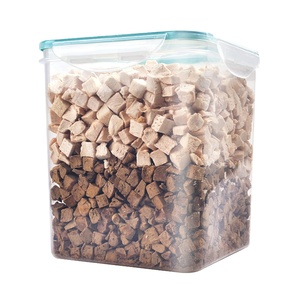
Manufacturing Solution: Our OEM clinical formulations incorporate highly palatable, vacuum-infused wet gravies and cold-pressed freeze-dried toppers rich in electrolyte complexes (Sodium, Potassium, Magnesium) and natural betaine. This enhances cellular hydration and maintains intestinal mucosal barrier integrity during extreme heat spikes.
The Indian retail environment, characterized by open-air distribution, non-climate-controlled warehousing, and traditional mom-and-pop pet stores (Kirana networks), exposes pet food packaging to extreme humidity. Moisture ingress quickly leads to mold growth, lipid oxidation (rancidity), and deadly mycotoxin/aflatoxin contamination in poorly processed kibble.
Manufacturing Solution: We implement strict raw material screening utilizing immunoaffinity column testing for Aflatoxin B1 (<2ppb). Finished dry kibble is extruded to a strict water activity level ($a_w$) below 0.60 and sealed in multi-layer aluminum foil pouches equipped with one-way degassing valves and high-density oxygen scavengers.
Historically, many Indian pet owners fed home-cooked rice, milk, and vegetarian flatbreads (chapatis) to dogs. This high-carbohydrate, lactase-deficient diet frequently causes chronic small-bowel diarrhea, poor coat density, and acute pancreatic stress when pets transition to commercial food.
Manufacturing Solution: We engineer targeted "Transition & Recovery Diets" infused with exogenous digestive enzymes (Amylase, Protease, Lipase) and hydrolyzed peptides that gently recalibrate the gut microbiome without triggering osmotic shock or inflammatory gastrointestinal responses.
The Indian pet industry is currently one of the fastest-growing globally, expanding at a CAGR exceeding 19%. Entering or scaling within this market requires an acute understanding of dominant macroeconomic and consumer trends shaping pet food procurement:
Metropolitan apartment living has sparked a boom in cat adoption. Feline owners prioritize wet food pouches, gravy recipes, and freeze-dried salmon/tuna treats for urinary health and hydrative nutrition.
Due to cultural and religious preferences in households across Gujarat, Rajasthan, and South India, there is high demand for clean-label, ethically sourced vegetarian or egg-based pet formulations alongside pure novel meat proteins.
Strict enforcement of Indian Standard IS 11968:2019 for dog food and IS 17316:2020 for cat food requires precise guaranteed analysis labelling, heavy metal thresholds, and mandatory microbiological safety clearances.
By partnering with our manufacturing hub in China, Indian brand owners eliminate the vast capital expenditure required to construct local automated processing plants. We handle every step—from recipe formulation aligned with BIS standards to custom artwork design, multilingual packaging compliance, and export health documentation.
China’s pet food manufacturing infrastructure represents the global benchmark in technological convergence, uniting pharmaceutical-grade cleanrooms, high-capacity Wenger/Clextral twin-screw extruders, and automated end-of-line robotics. Our enterprise capabilities provide Indian B2B buyers with complete operational peace of mind:
Fully accredited with FDA registration, ISO 22000 Food Safety Management, HACCP, GMP+, and BRCGS audits, ensuring smooth clearance at major Indian customs ports (Nhava Sheva, Chennai, Mundra).
Over 150+ custom extrusion die shapes optimized for kibble density, mechanical dental cleaning action, kibble surface friction, and precise jaw ergonomics across all life stages and breed sizes.
Dedicated logistics architecture optimizing pallet configurations, vacuum space reduction, and moisture-controlled sea container shipments with guaranteed transit stability to Indian maritime trade zones.
Addressing the primary commercial, technical, and regulatory queries raised by Indian procurement managers, veterinary distributors, and private-label startup founders.
For custom kibble formulations requiring unique extrusion die configurations and specialized raw ingredients (e.g., hydrolyzed protein isolates), our standard production MOQ starts at 3 to 5 Metric Tons per recipe batch. For standard stock clinical formulations with custom private-label bag printing, MOQs can be reduced to 1 Ton, allowing brands to validate new SKU lines in the Indian retail market with minimal working capital risk.
Our in-house R&D nutritional scientists pre-screen every recipe against both international FEDIAF/AAFCO guidelines and specific Bureau of Indian Standards (BIS IS 11968:2019 for Dog Food and IS 17316:2020 for Cat Food). We issue a full Certificate of Analysis (COA) with every export batch, certifying exact crude protein, crude fat, moisture, crude fiber, ash, calcium, phosphorus, and heavy metal compliance required by Indian port inspectors.
Shipping routes from Chinese ports (Qingdao, Shanghai, Shenzhen) to Indian ports (Nhava Sheva, Mundra, Chennai) pass through tropical equatorial waters. We utilize multi-layer metalized PET/AL/PE barrier films that block UV light, oxygen transmission, and ambient moisture. Furthermore, kibbles are preserved using natural synergistic antioxidant systems (mixed Tocopherols, Rosemary Extract, Ascorbyl Palmitate) ensuring guaranteed fresh quality upon arrival.
Yes. We specialize in contract manufacturing prescription-grade veterinary diets under strict isolation protocols. Our clinical lines include Gastrointestinal (Low Fat / Hydrolyzed Protein), Renal Support (Restricted Phosphorus & Sodium), Urinary Tract Health (S/O index control), Hypoallergenic Skin Care, and Weight Management formulas available in both dry extruded kibble, freeze-dried raw formats, and wet pouch gravy/sauce options.
Initial custom formulation, lab testing, and custom packaging artwork approval typically requires 2 to 3 weeks. Production and packaging execution take 10 to 14 days. Ocean transit from China to main Indian ports ranges between 14 to 22 days depending on vessel scheduling. Total lead time for repeat commercial re-orders is usually within 25 to 30 days landed.
Absolutely. Wet pet food pouches (80g, 85g, 170g) in thick gravy, jelly, or loaf formats represent the fastest-growing segment in the Indian feline market. Our automated retort sterilizing lines produce high-protein, hydration-rich wet cat foods with zero artificial preservatives, boasting a 24-month shelf life at ambient temperature.
Partner with China’s leading clinical care OEM/ODM pet food manufacturing complex. Receive custom formulation proposals, regulatory guidance, and factory-direct pricing tailored for the Indian veterinary and retail market.
Contact Us