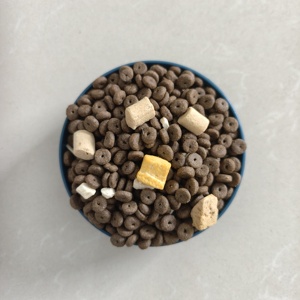
Direct factory supply featuring scientifically formulated, high-digestibility extruded pellets, freeze-dried raw mix, and functional wet nutrition engineered specifically for domestic and international commercial compliance.
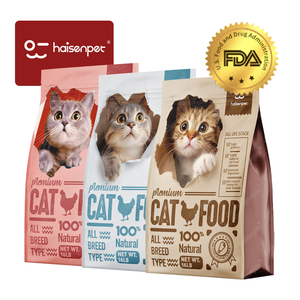
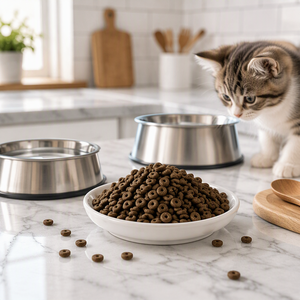
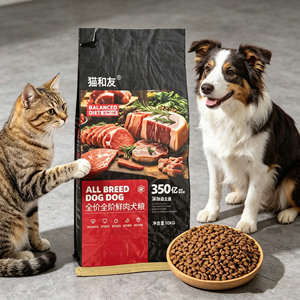
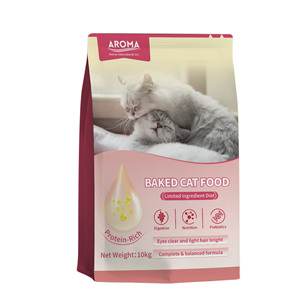
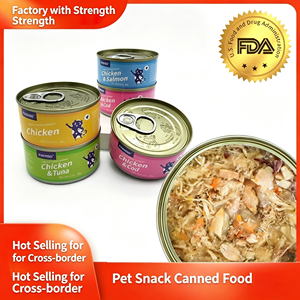
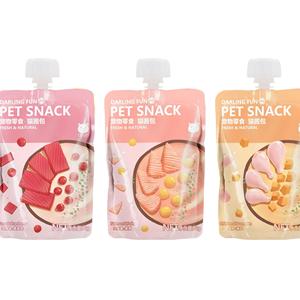
An authoritative breakdown of regulatory alignment, twin-screw thermal extrusion technology, nutritional bio-accessibility, and market-entry mechanics for Japanese pet food distributors.
Our industrial production facilities utilize high-shear twin-screw thermal extrusion systems that achieve starch gelatinization rates exceeding 92%. This process alters macromolecular carbohydrate chains into highly bioavailable energy substrates while preserving volatile amino acids like Lysine and Methionine.
By controlling moisture kinetics and die head expansion pressure (SME input), we produce pet pellets with micro-porous matrix structures optimized for uniform liquid vacuum coating.
CE Certification in pet pellet manufacturing demonstrates strict operational control over food contact machinery safety, low electromagnetic emissions, hygienic processing equipment design, and HACCP/HPP biosecurity protocols.
Our facilities maintain rigorous microbiological barrier controls, guarantees against cross-contamination, and systematic Heavy Metal (Lead, Cadmium, Arsenic) and Mycotoxin (Aflatoxin B1, Ochratoxin A) mass-spectrometry screening for every ingredient intake batch.
Conventional spraying leaves oils on the kibble exterior, leading to oxidation, rancidity, and grease leaching into retail packaging. Our advanced vacuum fat infusion technology draws refined animal fats, omega-rich salmon oil, and thermolabile vitamins deep into the core of the pellet after cooling.
This seals the nutrient profile inside, dramatically lowers surface lipid oxidation, and stabilizes shelf life across varied climate conditions.
We are the manufacturing powerhouse behind renowned global labels, including Griffiths’ Dog Food® (everyday premium dry kibble), Clydach Farm® (single-protein provenance-led super-premium diets), and Clinigol® Veterinary Science (clinical care veterinary formulations). We apply the exact same rigorous analytical standards, sourcing integrity, and quality assurance to your contract private label lines as we do to our own flagships.
Navigating Japan's Pet Food Safety Law (Law No. 83) and Ministry of Agriculture, Forestry and Fisheries (MAFF) guidelines requires granular formulation compliance. Our veterinary nutritionists formulate strictly within FEDIAF and AAFCO nutrient profiles, providing complete analytical constituent verification, batch certificates of analysis (CoA), and mandatory Japanese label compliance verification.
From initial nutritional brief and thermal extrusion to quad-seal pouch packaging, nitrogen flushing, and container pallet loading—we manage the entire supply chain under one accountable roof. Eliminating intermediary co-packers reduces risk, protects intellectual property, and minimizes landed batch costs.
Every single production lot undergoes comprehensive physical, chemical, and microbiological validation. Retained samples are stored in climate-controlled archives for the duration of the product's shelf-life. In the event of an import authority inquiry, full back-traceability to raw ingredient intake lots can be completed in under 4 hours.
Understanding pet ownership demographics, urban living constraints, and veterinary care trends in Tokyo, Osaka, and Yokohama.
Over 88% of urban Japanese cats live strictly indoors within high-density apartment complexes (Mansion units). This lifestyle creates specific physiological demands: low daily energy expenditure, predisposition to weight gain, and heightened sensitivities to litter-box odors.
Technical Application: We manufacture customized indoor cat pellets engineered with caloric density control (3400–3600 kcal/kg), elevated crude fiber (beet pulp, cellulose) for hairball passage, and natural odor-binding agents such as Yucca schidigera extract and Quillaja saponins to minimize fecal ammonia emissions.
Feline Lower Urinary Tract Disease (FLUTD) and Chronic Kidney Disease (CKD) are leading medical concerns among Japanese cat owners. Maintaining strict urine pH targets (6.2 to 6.5) and managing dietary Ash/Magnesium/Phosphorus ratios is critical for preventive nutrition.
Technical Application: Formulations produced for Japanese veterinary and clinical channels feature tightly controlled Magnesium levels (< 0.08%), balanced Sodium/Potassium electrolyte ratios, and specific urinary acidifiers (DL-Methionine) to prevent struvite crystal precipitation while maintaining renal filtration efficiency.
Japan has one of the world's highest concentrations of toy canine breeds (Toy Poodles, Chihuahuas, Miniature Dachshunds, and Shiba Inus). Small oral cavities make these pets susceptible to periodontal disease, dental plaque accumulation, and kibble choking hazards.
Technical Application: Our engineering team designs custom micro-pellet dies (5mm–7mm diameter) with precise friability profiles. Pellets shatter under controlled biting pressure to provide mechanical tooth-scraping action without oral trauma, enriched with Sodium Hexametaphosphate (SHMP) to sequester salivary calcium.
Japanese pet owners view pets as family members (Kodomo), driving rapid growth in human-grade ingredient claims. High-protein kibbles with high inclusions of fresh deboned chicken, salmon, tuna, and beef are rapidly replacing traditional grain-heavy recipes. Importers require transparent ingredient sourcing, free of unspecified animal by-products.
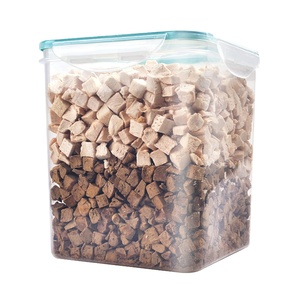
The "Kibble + Raw" hybrid segment is experiencing exponential growth across Japanese retail channels. Combining high-density extruded dry pellets with freeze-dried meat cubes or coating pellets in freeze-dried raw organ powder offers premium palatability while retaining dry-food convenience.
Japan has one of the oldest pet populations globally, with average canine and feline lifespans reaching 14.8 and 15.6 years respectively. Demand for senior-specific kibble—enriched with Glucosamine, Chondroitin, MSM for joint care, and DHA/EPA for cognitive function—dominates product developments.
Due to high humidity during the Japanese summer and limited household storage space, large 15kg bags are rarely purchased for indoor pets. The market demands small, nitrogen-flushed, re-sealable zip pouches (400g, 800g, 1.5kg, 2.4kg) utilizing high-barrier aluminum foil laminates to preserve freshness.
| Quality Parameter | CE Certified Manufacturing Benchmark | Standard Commodity Export Grade | Impact on Japanese Import Approval |
|---|---|---|---|
| Starch Gelatinization | > 92.0% (Twin-screw cooked) | 75.0% - 82.0% (Single-screw) | Prevents digestive upset; ensures high stool consistency. |
| Water Activity ($a_w$) | ≤ 0.60 (Strict environmental barrier) | 0.65 - 0.72 | Eliminates mold/mycotoxin risk during ocean transit to Japan. |
| Heavy Metal Limits | Pb < 5ppm, As < 2ppm, Cd < 1ppm | Variable / Unchecked | 100% compliance with MAFF food safety inspection audits. |
| Fat Infusion Depth | Vacuum Core Infused (> 85% penetration) | Surface Coated (Topical spray) | Extends shelf-life, prevents pouch oil bleed & oxidation. |
| Pellet Friability Rate | < 1.5% Fine dust generation | > 4.0% Fine dust generation | Premium aesthetic appealing to meticulous Japanese consumers. |
Clear, direct answers regarding minimum order quantities, compliance documentation, custom formulations, and shipping logistics.
We supply a complete export documentation dossier tailored to Japanese Customs and MAFF (Ministry of Agriculture, Forestry and Fisheries) standards. This includes Official Veterinary Health Certificates, Country of Origin Certificates, Certificate of Analysis (CoA) per batch, complete ingredient breakdown percentages for registration, and heat-treatment/extrusion temperature validation logs ensuring pathogen eradication.
Production runs are optimized by recipe complexity and extrusion setup. For fully customized dry kibble formulations, our base production MOQ starts at full batch multiples (typically 3 to 5 Metric Tons per recipe run). For private label treat packing, wet food pouches, or supplements using our pre-validated base matrices, trial runs can be scheduled in smaller volumes to assist brands in validating Japanese market response.
We control two vital variables: Water Activity ($a_w$) and Lipid Oxidation. All dry pellets are dried to a stable water activity level below 0.60, preventing fungal spore activation. We utilize natural non-GMO antioxidant blends (mixed tocopherols, rosemary extract) combined with nitrogen-flushed, high-barrier metalized pouch packaging (WVTR < 0.1 g/m²/24h) to guarantee 18 to 24 months shelf stability.
Yes. Contract manufacturing of client-owned specifications is a major core operational division. Our technical nutritionists perform analytical reverse-engineering on target sample benchmarks—evaluating crude protein, fat, ash, fiber, amino acid profiles, and kibble physical parameters (density, friability, expansion ratio)—to manufacture an identical or superior product matching your exact target cost structure.
A standard development cycle for a new formulation runs between 8 to 16 weeks. This includes nutritional brief alignment, theoretical recipe modeling, raw material specification approval, pilot bench testing, analytical CoA verification, Japanese label artwork translation review, and final commercial extrusion run followed by container loading.
Consult with our senior pet nutritionists and export technical managers today. We provide end-to-end formulation, CE certified manufacturing, and regulatory support tailored to your commercial goals.
Send an Inquiry
