Engineered for Bangladeshi Distributors, Commercial Breeders, and Private Label Retailers
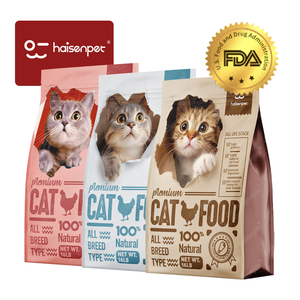
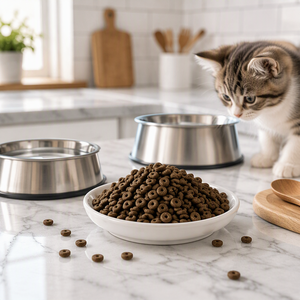
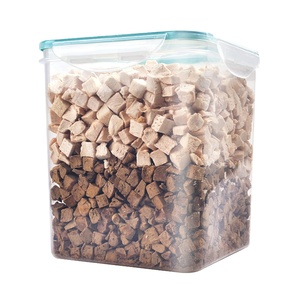
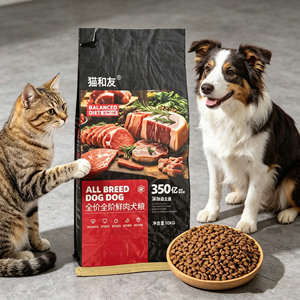
Key macroeconomic and operational benchmarks for bulk pet food imports into Chittagong Port and urban retail distribution networks.
The pet care landscape in the Bangladesh market is undergoing a seismic paradigm shift. Historically driven by domestic leftover feeding and unstandardized agricultural by-products, urban centers such as Dhaka, Chittagong, Sylhet, and Rajshahi are witnessing an explosive demand for commercially manufactured, nutritionally complete pet foods. Driven by expanding middle-class disposable income, rapid high-rise urbanization, and an unprecedented surge in pet humanization, commercial buyers—ranging from large-scale importers and regional distributors to specialized veterinary clinic networks—are actively seeking reliable, certified, high-capacity bulk pet food factories.
Establishing or sourcing bulk animal nutrition in Bangladesh requires a deep operational understanding of unique tropical environmental stressors, strict import customs tariffs (HS Codes 2309.10 and 2309.90), mandatory certification protocols by the Bangladesh Standards and Testing Institution (BSTI), and specialized packaging technologies engineered to withstand extreme humidity levels ($RH > 80\%$). This comprehensive guide establishes the technical, nutritional, and logistical framework required to successfully procure, import, and launch OEM/ODM private label pet food lines in the South Asian market.
Monsoon climates present severe risks of aflatoxin formation in poorly stored grains. Advanced double-extrusion and moisture-barrier packaging are critical to maintaining zero-mycotoxin integrity across Bangladesh's supply chain.
Due to apartment living constraints in densely populated metros like Gulshan, Banani, and Uttara, cats account for over 75% of indoor pets. High-protein, low-magnesium formulations for urinary tract health are top-tier sellers.
Direct ocean freight shipments via Chittagong Port (Chattogram) require optimized 20ft and 40ft FCL palletization equipped with high-capacity desiccant liners and thermal blankets to eliminate container sweat.
Tailoring Nutritious Formulations to Local Climate, Infrastructure, and Animal Demographics
The Challenge: High atmospheric humidity ($>85\%$ RH during monsoon months) causes rapid lipid oxidation, rancidity, and kibble softening in standard paper packaging.
The Factory Solution: We deploy multi-layer aluminum foil laminate bags featuring gas-flush nitrogen injection and high-barrier zip closures. Formulations utilize natural tocopherol antioxidant matrices and engineered water activity levels ($a_w < 0.60$) to guarantee a stable 18-to-24-month shelf life without microbial spoilage.
The Challenge: Animal welfare organizations, stray rescue networks (e.g., in Dhaka and Sylhet), and commercial cat breeders require nutrient-dense diets in large, highly economical bag formats.
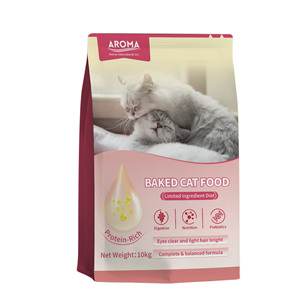
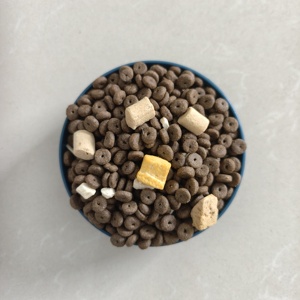
The Factory Solution: Highly cost-effective 10kg and 20kg woven polypropylene (PP) woven bags with inner PE liners. Offering 28% to 32% protein dry kibble balanced with essential taurine and omega fatty acids, providing maximum caloric density per Taka spent.
The Challenge: Premium pet stores in Dhanmondi, Banani, and Chittagong's GEC Circle need luxury, grain-free products to compete with expensive European imported brands.
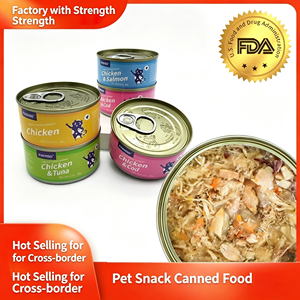
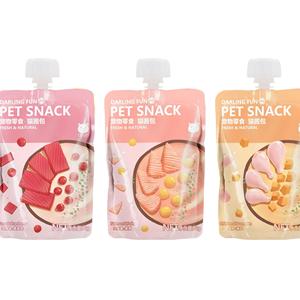
The Factory Solution: Private label OEM manufacturing of freeze-dried raw snacks (salmon, tuna, chicken liver) and functional wet pouches (80g/170g) designed with sleek, glossy aesthetic branding, bilingual labeling (English/Bengali), and clinical claims targeting coat gloss and digestive sensitivity.
Unlike unverified trading intermediaries, our manufacturing infrastructure operates on strict British and European pet nutrition standards (FEDIAF-aligned), ensuring full accountability from raw ingredient intake to finished container loading. We own and operate established proprietary benchmark brands—including Griffiths’ Dog Food® (Everyday Premium), Clydach Farm® (Super-Premium Provenance), and Clinigol® Veterinary Science (Clinical Diets)—proving that every manufacturing process we offer to private label clients is a process we actively execute for our own flagship lines.
| Manufacturing Specification | Standard OEM Manufacturers | Our Advanced Bulk Factory Standard |
|---|---|---|
| Quality Standards Alignment | Basic ISO / Local Standards | FEDIAF, AAFCO, BRCGS, and BSTI Export-Ready Compliant |
| Raw Material Traceability | Batch-level bulk sourcing | 100% Documented Single-Source Traceability with NIR Testing |
| Mycotoxin & Humidity Testing | Visual / Random Spot Checks | In-House HPLC Micro-Toxin Screening on Every Intake |
| Custom Recipe Development | Fixed, unchangeable templates | Tailored Nutritional Profiling (8–16 Weeks Concept to Scale) |
| Export Logistics Support | Ex-Factory (EXW) Only | Full Container Load (FCL), Custom Health Certs & Chittagong Port Documentation |
Historically, pets in Bangladesh were fed fish-and-rice or meat broths prepared at home. High veterinary awareness regarding nutritional deficiencies (such as taurine blindness in cats) has triggered a massive consumer migration toward balanced dry kibble and canned wet foods.
Digital purchasing via platforms like Chaldal, Daraz, and dedicated pet e-commerce apps in Dhaka has made bulk 10kg bags accessible to households without personal vehicles, accelerating repeat subscription purchases of commercial food.
Urban pet owners are increasingly seeking specialized solutions: hairball control for long-haired Persian cats, kidney support (renal formulations), and grain-free anti-allergen diets. Importers providing functional diets are capturing higher profit margins.
Addressing Import Regulations, MOQ, Custom Formulations, and Factory Logistics
Importers must hold a valid Import Registration Certificate (IRC), obtain clearance from the Department of Livestock Services (DLS), and verify compliance with Bangladesh Standards and Testing Institution (BSTI) labeling rules. Our factory provides full Health Certificates, Certificates of Analysis (CoA), Free Sale Certificates, and ingredient declarations required for smooth clearance at Chittagong Customs.
We manufacture dry foods with strictly controlled water activity ($a_w < 0.60$) and utilize multi-layer foil-laminated barrier packaging equipped with nitrogen flushing. This prevents oxidation, mold growth, and loss of palatability even in non-air-conditioned tropical warehouses.
For standard extruded dry kibble, production runs are scheduled in full batch multiples (typically starting at 3 to 5 Metric Tons per recipe). For wet food pouches (80g/170g) and freeze-dried treats, smaller trial MOQs are available to allow brand validation in the local market prior to full-scale container importation.
Yes. Our formulation nutritionists can engineer recipes according to specific cost targets. We offer flexible protein levels ranging from economical 18% protein baseline formulas up to 35%+ super-premium grain-free diets, balancing ingredient costs with FEDIAF/AAFCO nutritional compliance.
New custom formula development takes 8–12 weeks (including lab trials, shelf-life verification, and artwork approval). Once approved, production and container loading take approximately 2–3 weeks, with ocean transit time to Chittagong Port varying based on the port of origin.
Absolutely. Drawing from our experience with Clinigol® Veterinary Science, we manufacture veterinary-led clinical formulations targeting renal support, gastrointestinal recovery, weight management, and skin/coat dermatology, complete with clinical documentation for veterinary distribution.
Partner with an established, audited pet food manufacturer. Whether you require high-volume commercial 10kg bulk bags, high-margin freeze-dried cat treats, or private label wet food pouches, our technical team is ready to execute your brief.

