A technical synthesis of manufacturing capabilities, regulatory compliance frameworks, bio-formulation advances, and global supply chain integration for modern pet food brands.
The global pet care sector is undergoing a profound paradigm shift. Driven by the humanization of pets, demand has moved far beyond simple caloric maintenance toward functional health, precision nutrition, and absolute supply chain transparency. Modern brand owners, veterinary clinic networks, and international distributors require contract manufacturing partners capable of delivering scientific formulation rigor, international regulatory compliance, and scalable production infrastructure.
As a leading hub for pet food innovation and advanced industrial processing, China's premium export manufacturers offer unprecedented technological capabilities. By leveraging fully automated thermal extrusion, low-temperature vacuum freeze-drying, micro-encapsulated probiotic stabilization, and rigorous raw material testing, China’s tier-one pet nutrition exporters provide private-label brand owners with a formidable competitive advantage. This whitepaper evaluates the core competencies, sourcing methodologies, market vectors, and quality control paradigms that define elite Chinese pet nutrition manufacturing.
Formulated to international dietary guidelines, rigorously batch-tested, and ready for global commercial distribution.
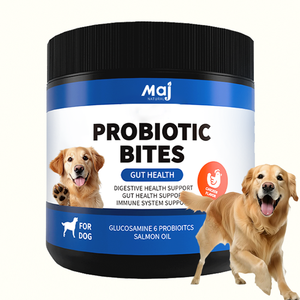
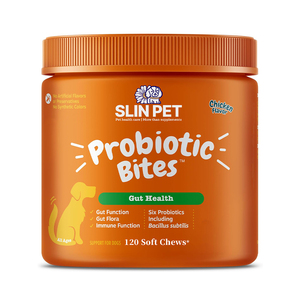
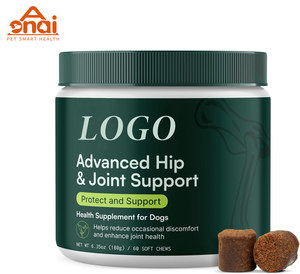
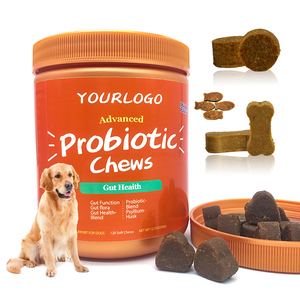
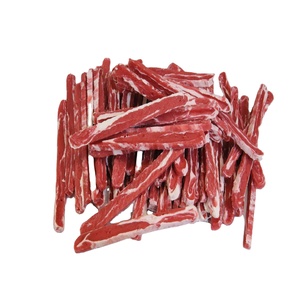
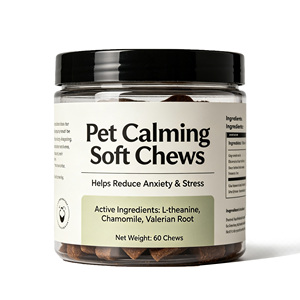
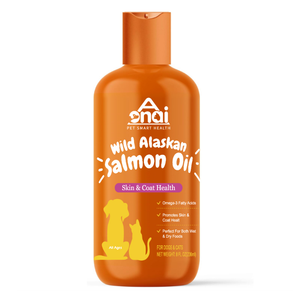
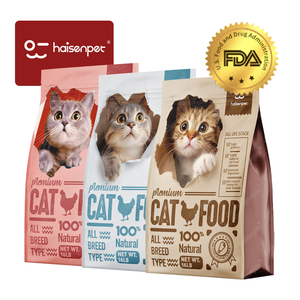
Vertical integration from raw material sourcing to advanced bio-processing and international customs clearance support.
Operates under rigorous ISO 22000, BRCGS, GMP+, and FDA registration standards. Every production run undergoes 100% batch traceability, near-infrared (NIR) real-time constituent monitoring, and third-party microbiological testing prior to certificate of analysis (COA) issuance.
Utilizes twin-screw, low-temperature thermal extruders and gentle cold-pressing systems to safeguard temperature-sensitive bio-actives, live probiotic strains (Bacillus coagulans), essential fatty acids, and complex digestive enzymes from thermal degradation.
In-house PhD animal nutritionists engineer tailored recipes compliant with FEDIAF and AAFCO profiles. From non-GMO, grain-free kibbles to targeted clinical care diets, our lab provides complete custom formulation, palatability trials, and shelf-life stability modelling.
Proprietary lipid-coating and micro-encapsulation techniques ensure that beneficial bacteria survive acidic gastric passage to reach the lower intestinal tract intact, guaranteeing labeled CFU counts throughout shelf-life.
Designed to support scaling brands with responsive batch scheduling, customizable pack formats (stand-up pouches, rigid tubs, nitrogen-flushed pillow packs), and scalable minimum order quantities (MOQs) for trial market testing.
End-to-end management of official customs documentation, Health Certificates, Certificate of Origin, veterinary health declarations, and pallet optimization for containerized sea and air freight across North America, Europe, Asia, and the Middle East.
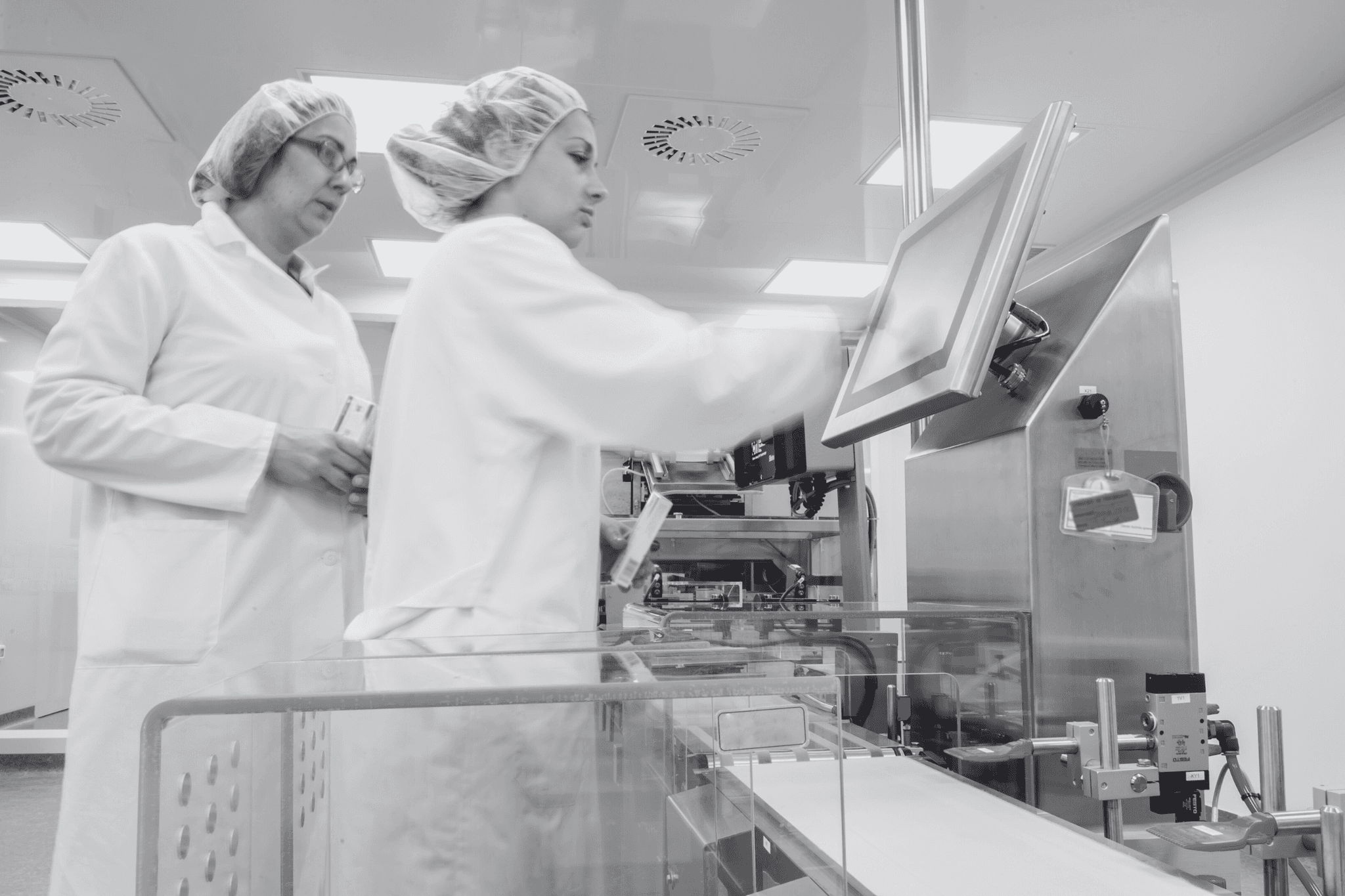
Our research and development pipeline integrates nutrient bioavailability research with state-of-the-art pilot testing. Every formula is calibrated for macro- and micro-nutrient balance, ensuring optimal protein digestibility, amino acid profiles, and palatability scores across species and life stages.
By pairing analytical chemistry with controlled animal feeding trials, our technical team confirms structural kibble integrity, palatability kinetics, and long-term constituent stability before full-scale commercial manufacturing begins.
Operating multi-stage thermal extrusion lines equipped with automatic density sensors and preconditioners, our facilities achieve high throughput while maintaining low shear stress on raw materials. Liquid fat and digest coating are applied via vacuum-assisted spray systems for deep, uniform flavor penetration.
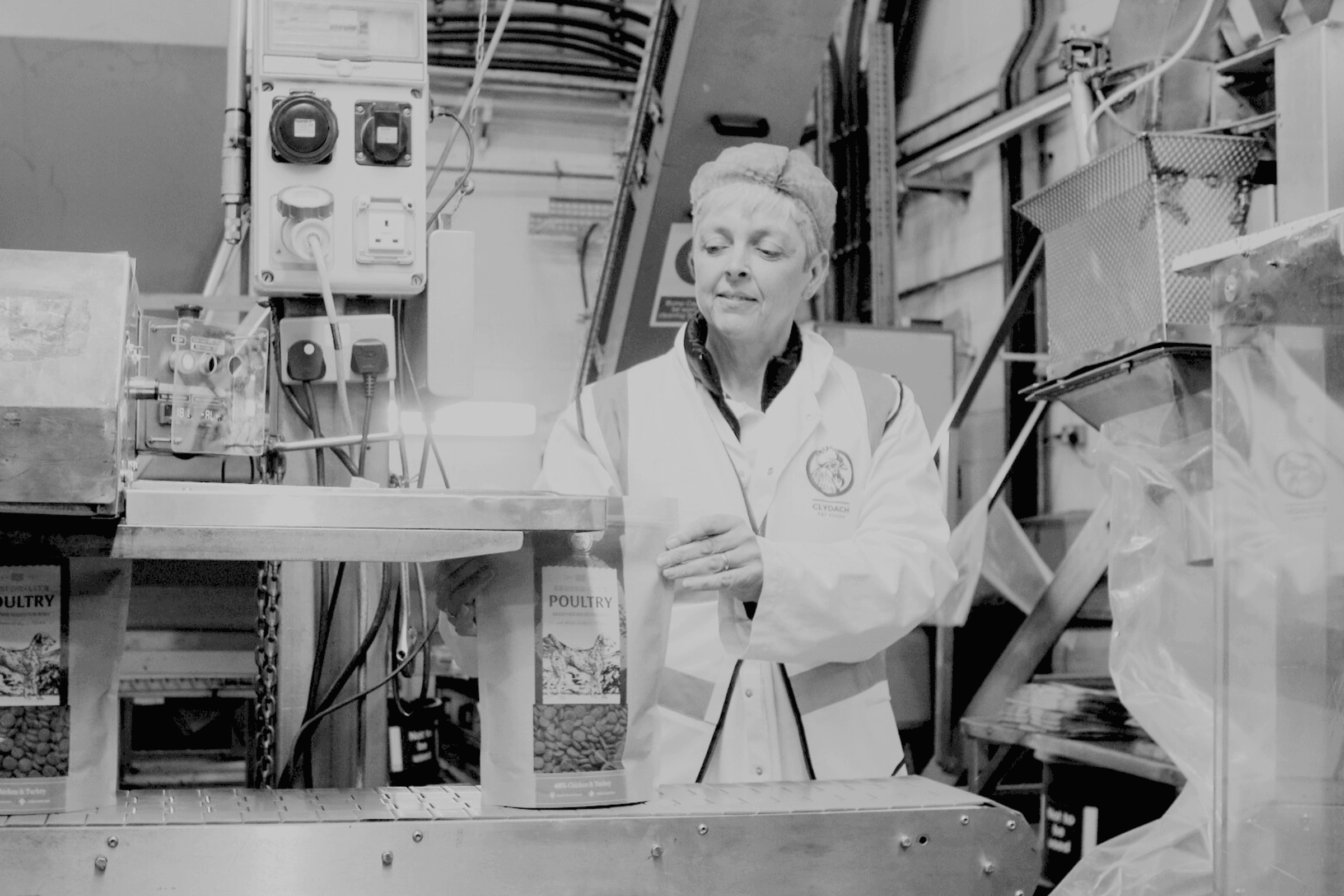
Finished goods are immediately transferred to automated, multi-head weighing and modified atmosphere packaging (MAP) lines to preserve oxidative stability and active nutrient bio-potency.
Strategic analysis of consumer demand shifts, bioactive ingredient innovations, and supply chain resilience models shaping the global pet nutrition market.
The traditional distinction between daily diet and health maintenance has blurred permanently. Functional soft chews have emerged as the fastest-growing delivery system in the pet supplement category. Formulators prefer cold-extruded soft chews because thermal processing in traditional kibble extrusion can degrade sensitive enzymes, botanical extracts, and heat-labile vitamins.
Key bioactive ingredients currently dominating international procurement specifications include:
Procurement Insight: Sourcing managers should prioritize contract manufacturers that employ cold-extrusion technologies with micro-encapsulated active ingredients to prevent potency loss over extended shelf-life cycles.

Modern pet owners demand complete transparency regarding protein origins. Premier Chinese exporters have established direct supply chain integration with certified domestic and global farms, sourcing grass-fed meats, free-range poultry, and sustainable marine oils.
Furthermore, novel protein sources—such as hydrolyzed duck liver, single-source insect protein (Black Soldier Fly Larvae), and upcycled plant fibers—are rapidly being adopted to formulate hypoallergenic diets that target adverse food reactions (AFRs) in sensitive urban pets.
Freeze-dried raw nutrition represents the apex of nutrient retention. By sublimating moisture under deep vacuum at sub-zero temperatures, the biological activity of enzymes, natural vitamins, and delicate amino acid structures remains completely intact. Products such as snowflake beef strips, dehydrated chicken breasts, and freeze-dried liver cubes offer clean-label, single-ingredient appeal with exceptional palatability ratings for training rewards and meal toppers.
Global economic volatility and regulatory evolution necessitate a multi-tiered sourcing strategy. Leading brand owners are shifting toward strategic manufacturing partnerships in China to mitigate cost inflation while scaling production capacity. Key factors driving this trend include:
Rigorously audited processes ensuring every pallet meets international regulatory standards.
Every ingredient batch undergoes strict intake testing before entering production bins. Incoming raw materials are analyzed for heavy metals, mycotoxins (Aflatoxin, Ochratoxin), pesticide residues, and microbial pathogens using High-Performance Liquid Chromatography (HPLC) and Polymerase Chain Reaction (PCR) assays.
Our integrated Enterprise Resource Planning (ERP) system logs ingredient lot numbers, bin locations, operator credentials, and thermal processing profiles in real time. In the event of an inquiry, full forward and backward lot traceability can be executed within hours.
Exporting pet food globally requires navigating complex international trade regulations. Our dedicated export compliance department assists brand owners with label artwork review, statutory guarantee declarations, ingredient breakdown disclosures, and international health certificates.
We regularly handle compliance protocols for import into North America, the European Union, South America, Southeast Asia, and the Gulf Cooperation Council (GCC) countries, ensuring smooth customs processing upon port arrival.
Practical technical details for procurement directors, brand managers, and international distributors.
MOQs depend on product type and packaging format. For standard dry extruded kibble, minimum production runs typically start at 3 to 5 metric tons per recipe to optimize extrusion efficiency. For specialized functional soft chews or tablets, MOQs generally start at 2,000 to 5,000 retail tubs (or 100,000 individual chews), allowing emerging brands to validate market demand without excessive inventory holding costs.
We utilize low-temperature cold-extrusion processing combined with micro-encapsulated probiotic strains (such as spore-forming Bacillus coagulans). The micro-encapsulation coating protects the bacteria from heat, moisture, and oxidation. Furthermore, we formulate with an intentional overage (e.g., 110-120% of target CFU) and utilize nitrogen-flushed barrier packaging to guarantee labeled CFU counts throughout shelf-life.
Yes. Our in-house PhD animal nutritionists regularly reformulate macro and micro-nutrient profiles to ensure 100% compliance with either European FEDIAF or American AAFCO nutritional guidelines, as well as specific national standards such as China's GB/T standards. We provide complete guaranteed analysis sheets and ingredient compliance verification prior to contract signing.
Our primary production facilities maintain ISO 22000 (Food Safety Management), BRCGS (British Retail Consortium Global Standard), GMP+ (Good Manufacturing Practice), HACCP certification, and US FDA facility registration. We welcome third-party auditor inspections (SGS, Intertek) and direct client audits during scheduled production runs.
A complete new product development cycle takes approximately 8 to 12 weeks. This includes recipe formulation (1-2 weeks), pilot batch sampling and analytical testing (2-3 weeks), stability and palatability validation (2 weeks), packaging design approval (1-2 weeks), and commercial manufacturing with export health certificate issuance (2-3 weeks). Repeat orders are typically fulfilled within 3 to 4 weeks.
We utilize natural antioxidant systems—including mixed tocopherols, rosemary extract, and green tea polyphenols—integrated directly into the fat-coating phase. Combined with oxygen-barrier foil packaging, desiccant pouches, and optional nitrogen flushing during bag sealing, we maintain peroxide values (PV) and thiobarbituric acid reactive substances (TBARS) well below strict industry thresholds throughout shelf life.

