Precision-extruded, high-protein dry dog and cat kibble formulations engineered for global brands, importers, and wholesale distributors.
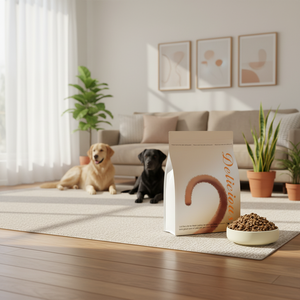
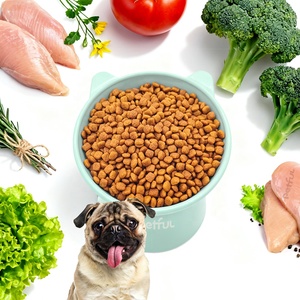
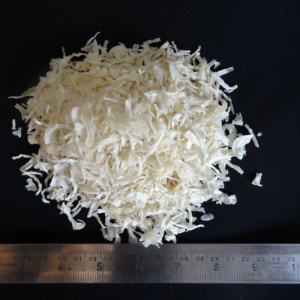
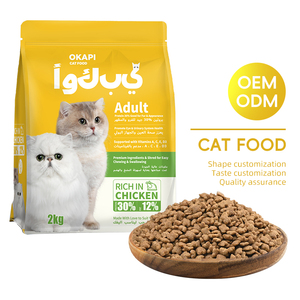
The global market for dry pet food kibble has undergone a structural transformation over the past decade. Buyers—spanning private label brand owners, regional distributors, and veterinary clinic chains—no longer compete solely on cost per metric ton. Modern search intent and consumer scrutiny demand rigorous adherence to FEDIAF and AAFCO nutritional standards, advanced thermal extrusion processing, total batch-level supply chain transparency, and validated functional benefits.
As a leading China kibble export factory and custom contract manufacturer, our industrial operations bridge the gap between high-volume manufacturing efficiency and stringent European and North American quality frameworks. Utilizing high-shear twin-screw extrusion systems, state-of-the-art vacuum digest coating technology, and strict CIQ (China Entry-Exit Inspection and Quarantine) regulatory protocols, our manufacturing ecosystem provides global partners with a defensible competitive advantage: superior Information Gain and product differentiation at scale.
Unlike standard contract packers, our manufacturing framework is built upon institutional engineering, proprietary formulation design, and total operational accountability. Every kibble batch produced within our facilities follows an identical quality-assurance protocol used for premium veterinary and therapeutic diets.
Enables precise density control, optimal expansion ratios, and starch gelatinization rates exceeding 94%, ensuring maximum gastrointestinal digestibility and reduced fecal volume for pets.
Injects liquid proteins, avian fats, marine oils, and natural digest deep into the micro-porous structure of extruded kibble under negative pressure, eliminating oily exterior residue and stabilizing lipid oxidation.
Every raw material intake—from single-source animal meal to micro-premixes—is subjected to NIR spectroscopy and fully logged within an integrated MES system for zero-gap safety accountability.
To assist procurement executives and technical formulation leads in evaluating OEM manufacturing partners, the table below outlines our technical specifications compared to standard bulk kibble exporters:
| Specification Metric | Standard Bulk Exporters | Our Enterprise Export Standard | B2B Buyer Advantage |
|---|---|---|---|
| Starch Gelatinization Index | 75% - 85% | 92% - 96% | Enhanced nutrient absorption, reduced bloat risk |
| Fresh Meat Inclusions | 0% - 15% (Dry Meal Only) | Up to 60% Liquid Fresh Meat | High biological value, premium label claims |
| Fat Coating Technology | Atmospheric Surface Spray | Multi-Stage Vacuum Core Coating | No grease migration, even nutrient payload |
| Peroxide Value (PV) Control | < 10 meq/kg at export | < 2 meq/kg at release | Extended shelf-life stability in shipping transit |
| Particle Uniformity Deviation | ± 15% Size Variance | ± 3% Optical Sorting Variance | Consistent automatic feeder flow & packaging efficiency |
Navigating the global pet food market requires anticipating shift patterns in consumer demand, ingredient compliance, and sustainability mandates. Procurement leads must position their product lines ahead of these critical structural trends:
Global consumers are increasingly seeking hypoallergenic, single-protein formulations to manage food sensitivities in canine and feline populations. The export market is transitioning away from generic "poultry meal" or "meat derivatives" toward highly specified single-source proteins such as Dehydrated Lamb, Hydrolyzed Salmon, Duck Protein, and Black Soldier Fly Larvae (BSFL). Export facilities must maintain separate processing runs and flush protocols to guarantee zero cross-contamination for private label allergen claims.
Historically, heat-sensitive functional ingredients—such as live probiotics (e.g., Bacillus coagulans), delicate enzymes, and bioactive peptides—were destroyed during high-temperature extrusion. Modern export manufacturing utilizes post-extrusion cold-coating lines and micro-encapsulation technologies. This ensures that live probiotic counts (guaranteed CFUs/kg) remain viable throughout 18 to 24 months of ocean transport and tropical warehousing conditions.
While early grain-free formulations relied heavily on high concentrations of peas, lentils, and chickpeas, recent nutritional research has driven a demand for balanced, low-glycemic carbs such as tapioca, sweet potato, and ancient grains (millet, sorghum, quinoa). Modern twin-screw extruders allow for massive fresh meat slurry inputs without requiring excessive botanical binders, matching feline carnivore biology and canine omnivorous requirements perfectly.
Regulatory frameworks in Western Europe and North America are penalizing non-recyclable multi-layer foil bags. Procurement teams must source kibble from manufacturers capable of sealing within mono-material PE/PE or PP/PP high-barrier laminates that withstand automated pouch filling without compromising oxygen transmission rates (OTR) or moisture vapor transmission rates (MVTR).
Drawing from our institutional work behind veterinary care lines like Clinigol® Veterinary Science, our production capabilities extend beyond standard maintenance diets into high-precision therapeutic formulas. These specialized formulations allow brand partners to enter high-margin clinical sectors:
Controlled phosphorus levels, restricted high-biological-value protein, and precise urine pH target ranges (pH 6.2 - 6.5) to inhibit struvite and calcium oxalate crystal formation in felines and canines.
Utilizing pre-digested hydrolyzed proteins, butyric acid compounds, and specialized soluble/insoluble fiber ratios (beet pulp, psyllium husk) for fragile digestive systems.
Concentrated Omega-6 to Omega-3 ratios (3:1 target), boosted with cold-pressed Atlantic salmon oil, zinc chelates, and biotin to reduce trans-epidermal water loss and soothe cutaneous inflammation.
Direct, unvarnished responses to the operational, technical, and regulatory questions most frequently raised by international import directors and brand managers.
Production scheduling is calculated based on extruder die geometry and raw material batch sizes. Standard custom kibble runs begin at 10 to 12 Metric Tons (MT) per recipe, which aligns perfectly with a full 20ft FCL container load. For stock white-label recipes, smaller trial orders starting at 3 to 5 MT can be accommodated to facilitate initial market validation prior to brand scaling.
Our facility holds complete registration with China Customs (CIQ) for animal feed export, along with international ISO 22000, BRCGS, and HACCP certifications. Every outgoing shipment is tested for microbiological safety (Salmonella, Enterobacteriaceae), heavy metals, mycotoxins (Aflatoxin B1), and peroxide levels. Official Veterinary Health Certificates, Certificates of Analysis (COA), and Certificates of Origin are issued with each container shipment.
A standard new-product development cycle requires 6 to 10 weeks: Weeks 1–2 for formulation modeling and raw material specification sign-off; Weeks 3–4 for pilot batch extrusion, lab testing, and kibble density tuning; Weeks 5–6 for packaging artwork printing and full-scale commercial manufacturing; and Weeks 7–8 for CIQ inspection release and container loading.
Yes. Utilizing near-infrared (NIR) spectroscopy, wet chemical analysis, and physical kibble profiling (density, expansion ratio, shear strength), our R&D laboratory can analyze benchmarking samples to recreate matching nutritional profiles, kibble dimensions, palatability profiles, and digest coatings while optimizing raw material costs.
Lipid oxidation is mitigated through a multi-tiered stabilization protocol: 1) Addition of natural mixed tocopherols and rosemary extract during raw oil intake; 2) Post-extrusion vacuum coating to minimize fat exposure to atmospheric oxygen; 3) Nitrogen flushing option during high-speed pouch bagging; and 4) Utilization of high-barrier aluminum or mono-PE laminated packaging materials with oxygen scavenging properties.
We support a broad spectrum of automated packaging configurations, including quad-seal pouches, flat-bottom box pouches, and pillow bags ranging from 400g small trial packs to 20kg bulk commercial bags. Features include premium pocket zippers, press-to-close sliders, tear notches, matte/gloss selective lacquers, and laser-engraved batch tracking codes.
Absolutely. Kibble geometry directly affects palatability, dental plaque abrasion, and eating speed. We engineer custom extrusion die plates in-house, manufacturing tailored shapes including mini-triangles (puppy/kitten), bone shapes, disc formats, multi-core rings, and dental cross-sections adapted to specific breed sizes and life stages.
Elevate your brand's market position with precision-extruded kibble, uncompromised E-E-A-T manufacturing standards, and transparent supply chain execution.
Get Catalog
