Export-ready commercial products engineered for high nutritional bioavailability, rigorous digestibility standards, and compliance with FEDIAF and AAFCO specifications.
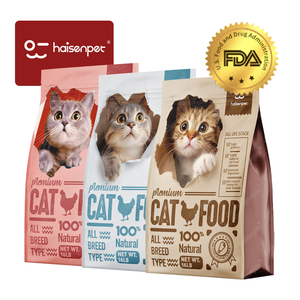
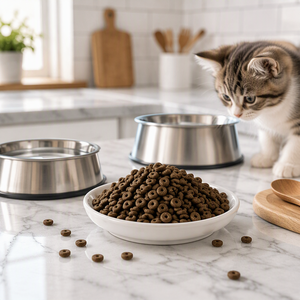
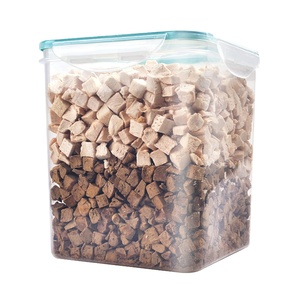
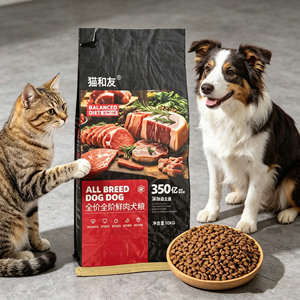
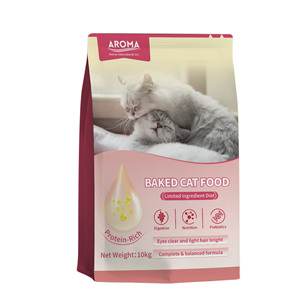
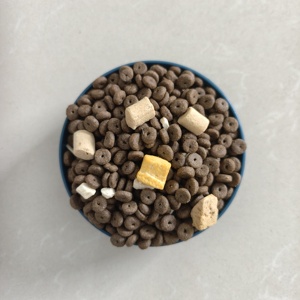
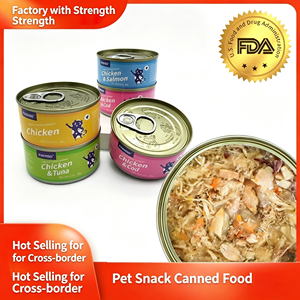
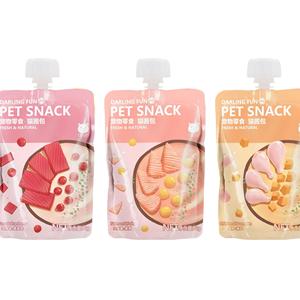
Over the past decade, China’s pet food manufacturing sector has undergone a profound structural shift. Driven by massive capital investments in automated processing infrastructure, stringent national standards (GB/T 31216), and international market demands, Chinese pet food suppliers have transitioned from low-cost white-label assemblers into sophisticated, research-driven biotechnical partners. Today, the world's leading pet care brands rely on Chinese original equipment manufacturers (OEM) and original design manufacturers (ODM) to deliver cutting-edge nutritional solutions across dry extruded, freeze-dried, fresh-cooked, and specialized veterinary diets.
Modern pet food manufacturing in China operates under global regulatory alignment, meeting strict criteria set by the European Pet Food Industry Federation (FEDIAF), the Association of American Feed Control Officials (AAFCO), and global safety frameworks such as BRCGS (Grade AA), ISO 22000, and US FDA facility registrations. By leveraging ultra-modern twin-screw extrusion systems, low-temperature vacuum drying, and continuous fresh-meat injection technologies, top Chinese suppliers offer brand owners unmatched supply chain resilience, precise analytical constituent control, and aggressive speed-to-market advantages.
An enterprise-grade operational architecture built around scale, safety, formulation flexibility, and scientific rigor.
Utilizing co-rotating twin-screw extruders with dynamic zone thermal profiling, our manufacturing lines achieve optimal starch gelatinization (>92%) while preserving delicate amino acid profiles and avoiding Maillard reaction degradation.
Facilities feature in-house analytical laboratories equipped with HPLC, Atomic Absorption Spectrometry, and microbiological testing to screen every incoming batch for heavy metals, mycotoxins, pesticides, and pathogenic bacteria.
In-house veterinary nutritionists work alongside global brand developers to formulate bespoke diets targeting life stages, breed sizes, dermatological health, weight management, and gastrointestinal sensitivity.
Selecting the optimal manufacturing methodology depends on brand positioning, targeted shelf-life, cost-per-kilogram constraints, and nutritional density goals. Below is a detailed technical matrix comparing the primary production technologies operated by premier Chinese pet food suppliers.
| Processing Method | Typical Moisture | Fresh Meat Max Capacity | Nutrient Retention | Primary Commercial Use |
|---|---|---|---|---|
| Twin-Screw Extrusion (Dry Kibble) | 8.0% – 10.0% | Up to 70% (via FMIF) | 85% – 90% (Heat Stable) | Everyday Complete & Balanced Diets |
| Lyophilization (Freeze-Drying) | ≤ 3.0% – 5.0% | 100% Raw Meat / Organs | 98% – 99% (Raw State) | Ultra-Premium Treats, Toppers & Mix-Ins |
| High-Pressure Retort (Wet Canned/Pouch) | 78.0% – 82.0% | Up to 90% Muscle & Broth | 80% – 88% (Thermally Sterilized) | Hydration Diets, Gravies & Wet Loafs |
| Low-Temperature Air-Drying | 12.0% – 14.0% | Up to 85% Whole Muscle | 90% – 95% (Semi-Moist) | Chews, Functional Jerky & Kibble Mixers |
As consumer behavior continues to treat pets as core family members (the "humanization" phenomenon), procurement strategies among brand owners are evolving rapidly. B2B buyers must align with Chinese manufacturing partners who anticipate regulatory, technical, and consumer trend shifts.
While probiotics dominated the digestive health narrative for years, heat instability during thermal extrusion created significant formulation challenges. Procurement trends now lean heavily toward postbiotics—heat-treated non-viable microorganisms and their metabolic byproducts. Chinese manufacturers are integrating heat-stable postbiotic complexes post-extrusion or during vacuum coating to offer scientifically validated gut-health claims without live culture degradation over shelf-life.
To meet the global demand for raw food diets without exposing consumers or pets to foodborne pathogens (e.g., Salmonella, Listeria), leading Chinese suppliers are building dedicated HPP lines. HPP applies intense hydrostatic pressure (up to 600 MPa) to packaged freeze-dried or fresh-frozen products, inactivating vegetative pathogens while maintaining natural enzymatic activity, vitamin levels, and fresh meat organoleptic qualities.
Environmental sustainability is becoming an active procurement metric. Top-tier suppliers in China are expanding their supply chains to include novel, highly sustainable protein sources, such as hydrolyzed insect proteins (Black Soldier Fly Larvae), upcycled fishery co-products, and fermentation-derived single-cell proteins. These raw materials offer exceptional amino acid scores while minimizing carbon footprints and land-use impacts.
Traditional high-volume minimum order quantities (MOQs) are giving way to dynamic manufacturing schedules. Emerging pet brands require agile production runs (1 to 3 metric tons) to test regional markets, test new formulas, and run seasonal product lines. Modern Chinese factories leverage modular extrusion units and automated packaging systems to accommodate lower batch sizes while preserving bulk production economies of scale.
Understanding macro industry dynamics allows procurement executives to build strategic long-term relationships with Chinese manufacturers. Key developments include:
Pet owners are increasingly seeking preventative healthcare through nutrition. Standard maintenance diets are rapidly being replaced by functional recipes formulated for joint support (glucosamine/chondroitin), coat shine (biotin & EPA/DHA ratios), renal health, and anxiety management (L-theanine and tryptophan additions).
The modern consumer demands full supply chain traceability. Ambiguous descriptors such as "animal digest" or "meat derivatives" are rejected in favor of single-source named proteins (e.g., "100% Free-Range New Zealand Lamb" or "Single-Origin Grass-Fed Beef"). Premier manufacturers provide complete batch pedigree reports detailing origin and testing certificates for every raw ingredient.
To ensure seamless international trade, brand owners must implement robust qualification criteria when auditing potential Chinese pet food manufacturing partners:
Direct answers to essential B2B sourcing, manufacturing, quality, and logistics inquiries.

