Explore our export-ready cat nutrition solutions. Custom formulas, specialized kibble geometry, raw-freeze-dried mixes, and pouch/canned wet diets tailored for global pet brands.
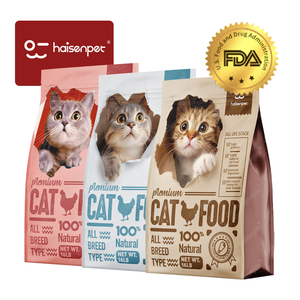
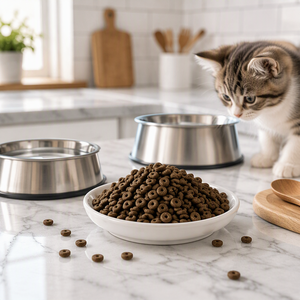
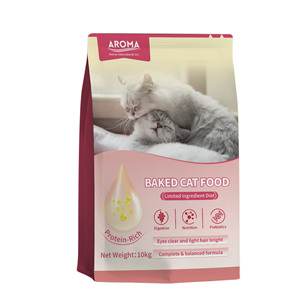
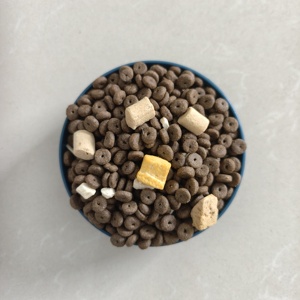
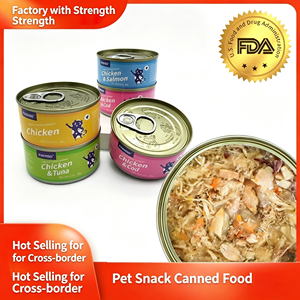
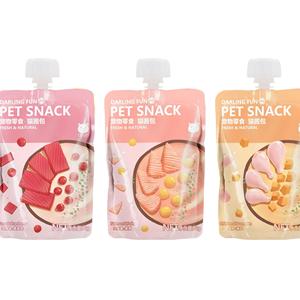
The global pet care sector is undergoing a profound structural evolution. As feline demographics surpass canine populations in urban centers across North America, Europe, and Asia-Pacific, the demand for biologically appropriate, high-protein, and functional cat nutrition has accelerated. Felines, as obligate carnivores, require precise amino acid balances—specifically taurine, arginine, methionine, and cysteine—alongside strict control over carbohydrates and ash contents.
As a premiere China Cat Food Manufacturer & Exporter, our industrial infrastructure bridges the gap between raw agrarian procurement and cutting-edge biopharmaceutical-grade pet food processing. Utilizing state-of-the-art twin-screw extrusion systems, low-temperature vacuum freeze-drying chambers, and automated aseptic retort canning lines, we provide brand owners, veterinary networks, and international importers with unprecedented supply chain resilience, cost efficiency, and formula precision.
Information Gain Insight: Modern cat food procurement is no longer limited to basic protein counts. Today's global buyers require verifiable digestibility coefficients (90%+ ileal digestibility), micro-encapsulated probiotic retention post-extrusion, and full supply chain transparency from farm to sea container.
Our manufacturing complex spans over 150,000 square meters, equipped with cleanrooms adhering to ISO 22000 and BRCGS Grade AA benchmarks. We operate dedicated, segregated processing wings to prevent cross-contamination:
Engineered for high-volume brand scalability, regulatory compliance, and biological nutrition excellence.
Direct fresh-meat injection technology allows up to 70% fresh chicken, duck, salmon, or beef slurries without reliance on synthetic binders or excessive starch fillers.
Every raw material batch undergoes PCR testing for Salmonella, Clostridium, and heavy metals. Retained samples are kept for 24 months for complete accountability.
FEDIAF & AAFCO aligned recipe engineering. We formulate specialized solutions for indoor hairball control, renal care, dermatological health, and life-stage nutrition.
As international pet care brands navigate rising inflationary pressures, shifting consumer demands, and stringent regulatory frameworks, procurement directors are re-evaluating traditional sourcing models. The following four macroscopic trends define the future of private label cat food manufacturing:
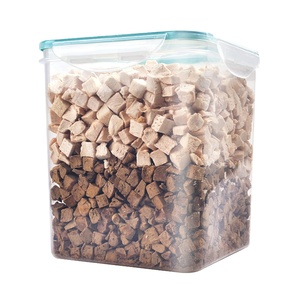
Pure extruded kibble is increasingly perceived by premium pet parents as insufficient. The market is shifting rapidly toward hybrid formulations: high-protein extruded kibble sprayed with freeze-dried liver digests or blended directly with raw freeze-dried meat cubes (chicken breast, salmon fillet, beef heart). This delivers the convenience of dry shelf-stable pet food alongside the palatability and nutritional density of raw diets.
Feline lower urinary tract disease (FLUTD) and chronic kidney disease (CKD) remain primary clinical concerns for cat owners globally. Consequently, wet cat food formats—specifically 85g pouches and 170g easy-open cans formulated with functional gravies, natural broths, and controlled phosphorus/magnesium ratios—are outperforming traditional dry kibble in growth rate across European and North American markets.
With cutaneous adverse food reactions (CAFR) rising in domestic cat populations, demand for novel proteins (duck, rabbit, Antarctic krill, and hydrolyzed poultry peptides) has surged. OEM factories capable of conducting quick production flush protocols between protein runs provide brands with a decisive market entry advantage.
Global regulatory bodies (such as the EU Packaging and Packaging Waste Directive) are enforcing strict recyclability standards. Advanced exporters must provide multi-layer PE/PE or PP monomaterial barrier bags that maintain nitrogen-flushed shelf stability (up to 18–24 months) without using non-recyclable aluminum foil laminates.
| Manufacturing Format | Protein Range (DM) | Moisture Level | Primary Target Audience | Shelf Life |
|---|---|---|---|---|
| Grain-Free High-Protein Kibble | 32% – 45% | < 10% | Mass Premium & Super Premium Retail | 18 Months |
| Raw Freeze-Dried Sublimated Cubes | 55% – 70% | < 5% | Boutique, Specialty & Veterinary Diets | 24 Months |
| Hydration-Focused Wet Pouches/Cans | 10% – 14% (As Fed) | 78% – 84% | Urinary & Renal Care / Daily Wet Feeding | 24–36 Months |
| Coated Functional Treats & Bites | 25% – 40% | 10% – 12% | Snacks, Training & Oral Health Care | 18 Months |
Creating an exceptional cat food recipe requires deep understanding of feline metabolic pathways. Unlike omnivorous canines, cats possess limited enzymatic capability to metabolize dietary carbohydrates. Excess gelatinized starches can lead to insulin resistance and gastrointestinal distress.
Our twin-screw extrusion equipment operates under precision-monitored Specific Mechanical Energy (SME) protocols. By fine-tuning barrel thermal profiles (ranging between 110°C to 135°C) and screw speed, we achieve optimal starch gelatinization (exceeding 92%) while preventing thermal degradation of essential amino acids like L-lysine and heat-sensitive taurine. This precise thermal curve delivers superior kibble expansion, structural crunch, and enhanced biodigestibility.
A primary challenge in extruded pet food is maintaining active probiotic viability. Standard topical spraying exposes live micro-organisms to high ambient temperatures, destroying active CFU counts. We utilize patented Cold-Vacuum Fat Coating (VFC) systems. Post-extrusion kibble passes into a sealed vacuum chamber where fats, natural digestive palatants, and micro-encapsulated probiotic strains (such as Bacillus coagulans and Lactobacillus acidophilus) are infused deep into the kibble core under negative pressure. This guarantees high active CFU counts at the end of product shelf life.
We streamline the custom manufacturing journey for global brand managers, private label retailers, and distribution conglomerates. Our 6-stage product lifecycle management protocol ensures full accountability from concept brief to container loading:
Direct technical answers for commercial purchasing managers, brand owners, and supply chain directors.

