Commercial-grade dry kibbles, freeze-dried infused formulations, and functional wet nutrition engineered for high digestivity, maximum palatability, and global export compliance.
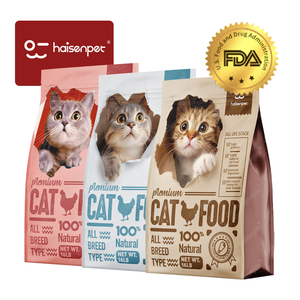
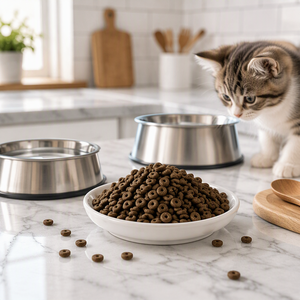
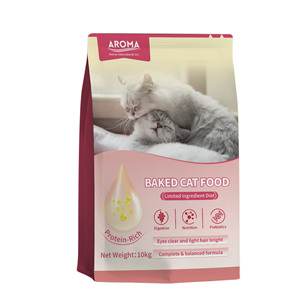
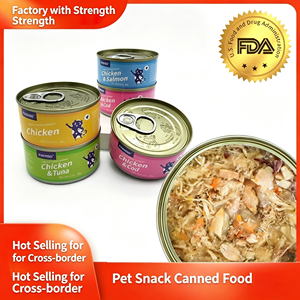
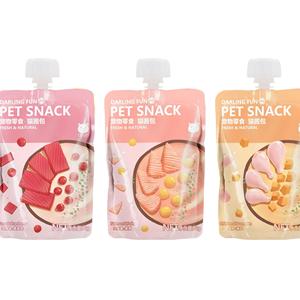
Every commercial recipe engineered in our extrusion facility is reverse-checked against FEDIAF and AAFCO profiles. Our formulations guarantee complete amino acid profiles, precise Ca:P ratios, and heat-stabilized vitamin matrixes.
Utilizing state-of-the-art thermal cookers and twin-screw extruders, we control gelatinization rates to exceed 90%. This precise thermal management preserves raw protein integrity while maximizing carbohydrate digestibility.
Raw materials undergo Near-Infrared Spectroscopy (NIR) profiling upon receipt. Finished kibble batches are logged into an unbroken digital traceability matrix, ensuring absolute batch consistency and fast recall protection.
We take the friction out of cross-border pet food distribution. From GACC registration and FDA facility approvals to multilingual packaging compliance and container stuffing optimization, our export logistics handle it all.
Whether servicing value-driven mass retail (Griffiths' Dog Food® framework), super-premium single-source provenance lines (Clydach Farm® framework), or specialized veterinary diets (Clinigol® Veterinary Science), we scale to your brand target.
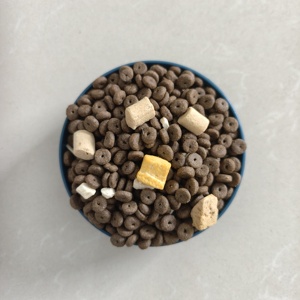
Our vacuum fat-coaters force essential omega oils, animal digests, and freeze-dried protein powders deep into the core structure of the kibble, preventing greasy surface residue while boosting palatability metrics.
In the modern global pet nutrition landscape, successful commercial brands require more than basic ingredient blending; they demand scientific extrusion precision, functional biosecurity, and verifiable nutrient density. As a premier OEM/ODM wholesale kibble manufacturer and international exporter, our manufacturing operations sit at the intersection of nutritional biochemistry and industrial process engineering.
Thermal extrusion is the primary method for producing biologically safe, shelf-stable kibble. However, unmonitored thermal processing can degrade heat-sensitive amino acids (specifically Lysine and Methionine) through unwanted Maillard reactions. Our facility utilizes advanced Preconditioner Twin-Screw Extruders designed to decouple thermal cooking from mechanical shear.
To help procurement teams evaluate ingredient costs, target MSRPs, and manufacturing tolerances, the following technical data matrix outlines our standard private label manufacturing tiers:
| Nutritional & Process Metric | Commercial Wholesale Tier | Super-Premium Provenance | Veterinary / Clinical Tier |
|---|---|---|---|
| Crude Protein Source | Rendered Meat Meals & Plant Concentrates | Min. 50% Fresh Prepared / Named Meat Meals | Hydrolyzed Proteins / Single Novel Animal Source |
| Carbohydrate Matrix | Whole Maize, Wheat, or White Rice | Grain-Free (Sweet Potato, Pea Starch, Tapioca) | Low-GI Carbohydrates & Purified Starches |
| Coating Technology | Atmospheric Tumble Coating (Fat + Digest) | Vacuum Coated (Digest + Omega-3 Oils) | Vacuum Coated + Freeze-Dried Powder Layering |
| Target Water Activity ($a_w$) | < 0.65 ($a_w$) | < 0.62 ($a_w$) | < 0.58 ($a_w$) |
| Apparent Digestibility Coefficient | 78% – 82% | 85% – 89% | > 92% Bioavailability |
| Shelf-Life Packaging | Standard PE/PP Woven Sacks | Matte PET/ALU/PE Barrier Bags with Valve | High-Barrier Nitrogen Flushed Foil Bags |
Two primary failure modes in international kibble shipping are oxidative rancidity of surface fats and microbial/mold proliferation due to excess water activity ($a_w$). Our OEM production lines solve both problems through rigid analytical control:
Natural Antioxidant Systems: Rather than relying on synthetic preservatives like BHA or BHT, our formulations utilize mixed tocopherols (Vitamin E isomers), rosemary extract, and citric acid. These natural antioxidants are metered continuously into the liquid fat stream prior to vacuum injection, ensuring uniform protection throughout the shelf life of the kibble.
Water Activity ($a_w$) Management: Moisture percentage alone does not determine mold growth; water activity ($a_w$) is the critical biosecurity parameter. Our multi-pass fluid-bed dryers reduce moisture to 8.0%–9.0% while locking water activity below 0.60 $a_w$ at 25°C. At this level, mold spores (including Aspergillus and Penicillium species) cannot germinate, guaranteeing safe trans-equatorial maritime transport without artificial mold inhibitors.
As consumer pet humanization shifts from basic calorie delivery to wellness and preventive health, global procurement teams must align their brand pipelines with emerging nutritional technologies. Our R&D department highlights four critical macro trends shaping the future of contract kibble manufacturing:
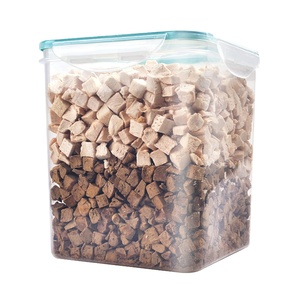
Traditional kibble brands face margin pressure from fresh and freeze-dried raw categories. The fastest-growing middle-ground innovation is Freeze-Dried Coated Kibble. By utilizing high-vacuum coaters, raw organ meats and animal broths are freeze-dried and bonded directly onto the dry kibble surface. This delivers the palatability and raw nutrition profile pet owners demand, while maintaining the shelf stability and affordability of extruded dry food.
Dermatological and gastrointestinal sensitivities in companion animals have escalated globally. Contract manufacturing briefs are rapidly moving away from multi-species protein blends toward strictly segregated novel proteins (e.g., wild boar, duck, salmon, lamb) and enzymatically hydrolyzed chicken liver hydrolysate (< 10,000 Daltons). Formulating with small peptide weights prevents immune system cross-linking, allowing brands to capture lucrative veterinary and hypoallergenic consumer segments.
Environmental stewardship is transitioning from a marketing claim to a supply chain compliance mandate. Global retailers are auditing supplier carbon footprints. In response, our contract extrusion lines are integrating sustainable marine microalgae (replacing traditional fish oils with direct vegan EPA/DHA) and upcycled botanical fibers. These ingredients reduce ocean harvest pressure while optimizing prebiotic kibble gut-microbiome performance.
Regulatory authorities in North America (FDA), Europe (FEDIAF), and East Asia (GACC) have implemented zero-tolerance mandates for undeclared animal DNA. Commercial buyers can no longer risk batch contamination. Modern OEM plants must utilize dedicated raw material conveying lines, automated CIP (Clean-In-Place) flushes between runs, and post-production real-time Polymerase Chain Reaction (PCR) DNA assay testing before releasing container loads.
A disciplined, 6-stage commercialization protocol taking your private label pet food concept from initial formulation brief to cleared export pallet.
Market positioning, species targets, ingredient blacklists, and cost per ton targets defined.
FEDIAF/AAFCO nutrient modeling, digest analysis, and landed cost validation.
Extrusion testing, kibble density calibration, NIR profiling, and palatability testing.
Statutory feeding guides, analytical constituent verification, and label legal review.
Full commercial run, vacuum oil coating, nitrogen-flushed packaging, and COA release.
Customs health certificates, container loading plans, and international freight dispatch.
Clear, transparent answers to technical, commercial, and regulatory questions asked by private label pet food buyers and distributors.
Our minimum order quantities are structured by formulation type and packaging configuration. For standard extruded dry kibble using existing base recipes, our production run MOQ starts at 3 to 5 Metric Tons per run. For 100% custom bespoke formulations requiring specialized dies or unique raw material sourcing, the minimum run is typically 10 Metric Tons. Smaller trial packaging volumes can be accommodated for freeze-dried toppers or specialized supplements during market launch validation phases.
Intellectual Property protection is formalized through robust, legally binding Non-Disclosure Agreements (NDAs) and custom manufacturing contracts executed prior to formulation sharing. Proprietary custom recipes remain 100% owned by the client brand. They are assigned isolated internal inventory SKUs, ensuring that raw material proportions and proprietary nutritional blends cannot be accessed, repurposed, or replicated for any other client within our facilities.
Our manufacturing facilities operate under stringent global food safety standards. We hold active registrations and certifications including BRCGS (Grade AA), ISO 22000, GMP+, FDA Registration, and official approval for export to the European Union (FEDIAF compliant), the Middle East (MOIAT), and Asia-Pacific regions (including GACC registration for mainland China). We supply official Certificates of Analysis (CoA), Veterinary Health Certificates, Free Sale Certificates, and Certificate of Origin documents with every container shipment.
A standard new brand commercialization cycle spans 8 to 14 weeks. This timeline encompasses: (1) Nutritional formulation modeling and raw material allocation (1–2 weeks); (2) Pilot batch production, physical durability testing, and lab analytical validation (2–3 weeks); (3) Packaging design legal verification and bag printing (3–4 weeks); and (4) Full commercial batch execution, QA quarantine release, and export container booking (2–3 weeks). Re-orders of existing validated SKUs feature significantly shorter lead times of 14–21 business days.
We engineer kibble for environmental resilience. First, water activity ($a_w$) is strictly locked below 0.60 via fluid-bed drying. Second, natural mixed tocopherols and tea polyphenols are infused into the oil matrix during vacuum coating to prevent lipid oxidation. Third, finished products are packed into multi-layer barrier foil bags (PET/ALU/PE) integrated with one-way degassing valves or nitrogen-flushed environments. This prevents oxygen ingress and moisture pickup during multi-week ocean transit across equatorial temperature zones.
Yes. Our specialized formulation division produces clinical diets under clinical care frameworks. We manufacture targeted diets for renal support (controlled phosphorus/protein levels), gastrointestinal recovery (enzymatically hydrolyzed proteins + soluble fibers), urinary health (controlled magnesium/struvite relative supersaturation profiles), and weight management (high fiber/protein ratio with L-Carnitine). These diets are supported by full raw material segregation and analytical batch testing.

