


Strategic Global Procurement Trends in Animal Nutrition (2025–2030)
The global animal nutrition market is undergoing a seismic paradigm shift. Traditional livestock feed manufacturing focused primarily on crude protein metrics and bulk metabolizable energy. However, modern commercial animal husbandry and pet food channels require precision cellular nutrition, metabolic optimization, and targeted gut-health modulation. China's top-tier wholesale factories have positioned themselves at the epicenter of this technological transition through massive R&D investments in bio-fermentation and micro-encapsulation.
| Nutrition Vector | Legacy Feed Manufacturing | Next-Gen OEM Factory Standard | Commercial Buyer Benefit |
|---|---|---|---|
| Protein Sourcing | Raw intact soybean meal & poultry byproduct | Enzymatic Hydrolyzed Peptides & Fermented Single-Cell Proteins | Eliminates anti-nutritional factors; boosts digestibility to >94% |
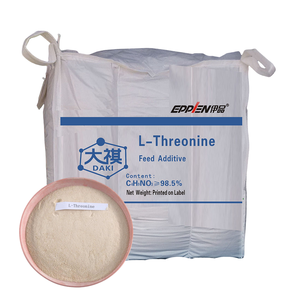
| Amino Acid Balancing | Generic total amino acid estimates | Ideal Digestible Amino Acid Ratio (L-Threonine 98.5%, Lysine) | Reduces crude protein costs while optimizing lean muscle gain |
| Gut Microbiome Support | Prophylactic antibiotic growth promoters (AGPs) | Micro-encapsulated organic acids & prebiotic polysaccharides | Complies with global zero-antibiotic regulations (EU & US) |
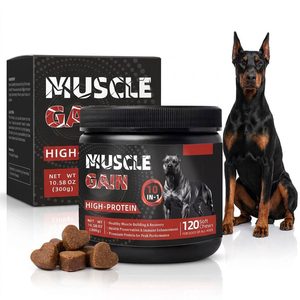
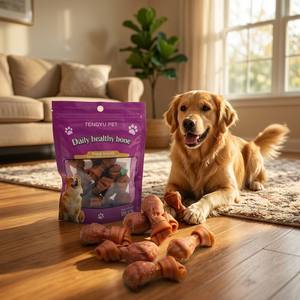
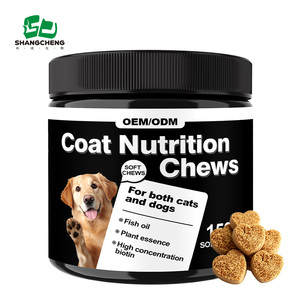
| Functional Pet Nutrition | Standard kibble extrusion with synthetic sprays | Cold-pressed soft chews & bio-available lipid matrices | Superior nutrient preservation and extended 24-month stability |
Procurement directors sourcing from Chinese factories are increasingly favoring suppliers who offer complete transparency over structural supply chains. Key macro-trends shaping 2025–2030 purchasing decisions include:
- Replacement of Synthetic Growth Factors with Bio-Active Peptides: Shear-hydrolyzed lamb and sheep liver peptides act as natural flavor enhancers while providing bioactive immunoglobulins.
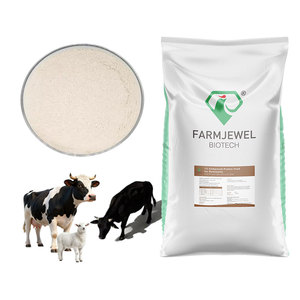
- Rumen-Bypass Technologies for Livestock: Micro-encapsulating sodium bicarbonate and amino acids ensures targeted dissolution in the small intestine rather than premature degradation in the rumen, increasing milk yield and fat percentages in dairy herds.
- Single-Ingredient Hypoallergenic Formulations: High-growth pet retail sectors demand strict single-protein formulas (such as 100% duck or rabbit) to combat rising dermatological and gastrointestinal food sensitivities in companion animals.