0%

Choosing a reliable partner for Private Label Pet Food Manufacturing requires more than comparing prices or attractive packaging. Pet brands depend on consistent nutrition, safe ingredients, and dependable production schedules. A delayed shipment can leave empty shelves, while a small formulation error may affect an animal’s health. This guide examines seven leading companies worldwide and considers how they approach product development, quality control, packaging, and international distribution.

The comparison focuses on practical evidence, including facility standards, laboratory testing, ingredient traceability, batch records, and customer support. It also considers whether manufacturers can create dry food, wet food, treats, or specialized recipes for different life stages. Details matter here. A strong supplier should explain its minimum order quantities, sample process, shelf-life testing, and recall procedures clearly. Certifications can help, but they should be verified rather than accepted without questions. No supplier is perfect.

Market fit matters too. A company serving European retailers may not offer the same labeling support needed in North America or Asia. Regional rules, veterinary expectations, and consumer preferences can change quickly. Some manufacturers provide excellent formulations but limited customization. Others offer flexible packaging yet require larger production volumes. That trade-off deserves careful thought. The companies discussed below represent useful starting points, not automatic guarantees. Buyers should request current documentation, review contracts, and test samples independently before making a long-term commitment.
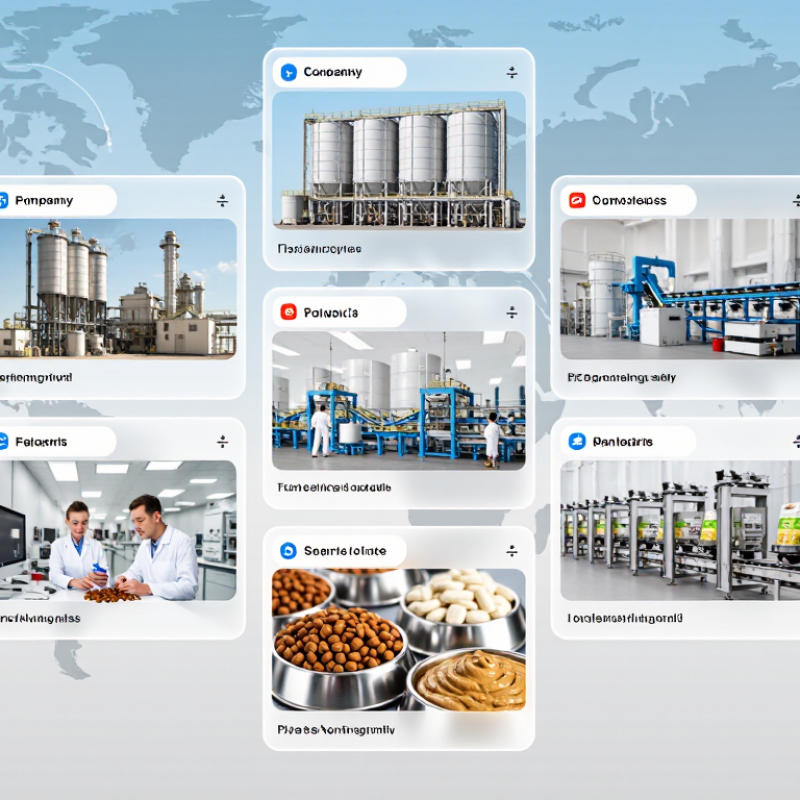
7 Best Private Label Pet Food Manufacturing Companies Worldwide

What Private Label Pet Food Manufacturing Involves

Private label pet food manufacturing means creating food for a retailer or distributor under its own label.

The manufacturer usually manages recipe development, ingredient sourcing, production, testing, packaging, and batch records. It is more than placing a logo on a bag.

Demand is substantial.

The American Pet Products Association reported US pet industry spending of about $147 billion in 2023.

Grand View Research valued the global pet food market at approximately $103 billion that year.

These figures suggest strong opportunity, but they do not guarantee a successful product. A recipe must match the animal’s life stage, nutritional needs, texture preferences, and local regulations. Manufacturing facilities should provide traceability, supplier audits, laboratory testing, and controlled storage. Certifications can help, but paperwork alone cannot replace practical quality checks.

Tips:

  • Request a sample batch.
  • Review the full ingredient specification.
  • Ask how recalls are handled.
  • Check production capacity before signing.
  • Visit the facility if possible.
  • Compare laboratory results, not only prices.
  • A common mistake is trusting attractive packaging too early.
  • I would also test palatability with a small, monitored group, because a technically compliant food may still be rejected by pets.
  • The process is measurable, yet some decisions remain uncertain.
  • Consumer feedback can expose weaknesses that laboratory data misses.

How the Seven Manufacturers Were Selected

The seven manufacturers were selected through a practical, evidence-based review. We examined production experience, facility capacity, ingredient controls, and private label capabilities. Public certifications were checked against recognized food safety systems. We also looked for clear documentation, including batch records, laboratory testing, and traceability procedures. A reliable manufacturer should explain where ingredients come from and how finished products are released. Vague claims were not treated as proof.

We compared formulation support, packaging options, minimum order quantities, and production flexibility. Experience with different animal life stages also mattered, especially for specialized nutritional needs. We reviewed export readiness, communication standards, sample policies, and responses to technical questions. Independent customer feedback helped, but it was never used alone. A polished website can hide weak operations. No shortlist is perfect. Information changes, and some manufacturers disclose less than others.

Tips: Request recent audit evidence. Ask for a sample batch record. Confirm testing methods and approval responsibilities before signing. Visit the facility when practical, or arrange a live virtual inspection. Compare actual lead times, not promises. Keep written specifications for ingredients, packaging, labeling, and quality checks. This process requires patience, but it reduces costly surprises.

7 Best Private Label Pet Food Manufacturing Companies Worldwide - How the Seven Manufacturers Were Selected
No. Anonymous Manufacturer Profile Primary Production Region Private Label Product Formats Commonly Supported Species Relevant Quality and Food-Safety Standards Reason for Inclusion
1 Profile A — Integrated Dry-Food Facility North America Extruded kibble, baked treats, dental chews, supplements Dogs and cats GFSI-recognized food-safety certification, HACCP-based controls, traceability procedures Selected for broad dry-food capability, scalable production, and established private-label quality systems.
2 Profile B — European Wet-Food Specialist Western Europe Cans, trays, pouches, pâté, chunks in gravy Dogs and cats HACCP, documented allergen controls, batch testing, regulated animal-feed production procedures Selected for strong wet-food expertise and the ability to produce multiple retort-packed formats.
3 Profile C — Functional Nutrition Manufacturer Central Europe Dry diets, soft chews, powders, functional treats Dogs, cats, and selected companion animals HACCP-based food-safety management, laboratory testing, controlled formulation documentation Selected for formulation support involving digestive, skin-and-coat, weight-management, and joint-health concepts.
4 Profile D — Sustainable Ingredient Producer Oceania Air-dried food, freeze-dried food, treats, single-protein recipes Dogs and cats HACCP, supplier-approval programs, origin traceability, export-compliance controls Selected for specialization in limited-ingredient recipes and premium processing methods with traceable inputs.
5 Profile E — High-Volume Asian Export Facility East Asia Extruded kibble, biscuits, dental snacks, functional treats Dogs and cats HACCP, ISO 22000 or equivalent food-safety systems, export documentation, finished-product testing Selected for competitive large-volume manufacturing, format flexibility, and international export experience.
6 Profile F — Premium Small-Batch Producer United Kingdom and Ireland Cold-pressed food, baked treats, air-dried recipes, training treats Dogs and cats HACCP-based controls, feed-law compliance, ingredient traceability, documented shelf-life testing Selected for premium positioning, smaller production runs, and support for differentiated retail concepts.
7 Profile G — Multi-Format Contract Manufacturer Southern Europe Dry food, wet food, semi-moist treats, biscuits, supplements Dogs, cats, and selected small animals GMP-based manufacturing, HACCP, batch-release procedures, product and packaging traceability Selected for its combination of product breadth, contract-manufacturing services, and multi-market packaging support.

Selection criteria used across the seven profiles included manufacturing format, food-safety controls, formulation capability, ingredient traceability, export readiness, production flexibility, and suitability for private-label product development.

Profiles of Seven Leading Global Manufacturers

Private label pet food manufacturing requires more than attractive packaging. It demands controlled recipes, stable sourcing, and documented safety procedures. The following profiles highlight seven established manufacturing types across key global regions.

A North American manufacturer often supports dry kibble, wet food, and treats under one facility. Many offer pilot batches, nutrient testing, and lot-level traceability. A Western European producer may focus on strict ingredient documentation and recyclable packaging. Its technical team can help adapt recipes to regional labeling rules. An Australian manufacturer commonly emphasizes local meat supply and export-ready quality systems. Temperature-controlled storage is a practical strength.

A Southeast Asian manufacturer may provide competitive production for wet food and freeze-dried snacks. Buyers should inspect allergen controls and worker training carefully. A Central European facility often specializes in functional diets with measured vitamins, minerals, or fiber. Laboratory verification remains essential. A South American producer can be valuable for meat-based formulas and regional ingredient access. Supply consistency still needs close review. A large East Asian manufacturer may offer advanced automation, multiple package sizes, and fast sampling. However, communication across languages and specifications can create small errors.

Experience with factory audits has shown that polished samples do not guarantee reliable production. A buyer should review recall procedures, batch records, microbiological testing, and supplier approval files. Certifications help, but they are not a substitute for direct verification. Not every fit is perfect. Capacity, minimum order quantities, formula ownership, and export documentation can change the final decision. Pricing deserves scrutiny too, because a low quote may exclude testing, packaging setup, or freight handling.

Minimum Crude Protein Standards in Pet Food Formulation

AAFCO nutrient-profile benchmarks commonly used by manufacturers for complete and balanced dog and cat foods

The chart compares minimum crude protein levels on a dry-matter basis for adult maintenance and growth/reproduction formulas. Cat food profiles require higher minimum protein levels than dog food profiles. These standards are based on the AAFCO Dog and Cat Food Nutrient Profiles and serve as formulation benchmarks rather than company-specific performance data.

Manufacturing Capabilities and Product Specialties

7 Best Private Label Pet Food Manufacturing Companies Worldwide

Manufacturing Capabilities and Product Specialties

Private-label pet food manufacturers now compete through flexible production, not only low prices. Grand View Research valued the global pet food market at USD 103.27 billion in 2023. Its forecast also shows steady growth through 2030. This demand favors factories with multiple formats, including dry kibble, wet food, treats, toppers, and freeze-dried products. The strongest manufacturers usually operate automated extrusion lines, retort systems, cold storage, and laboratory testing. They may also support grain-free, limited-ingredient, functional, and life-stage formulas. These capabilities reduce production changes and protect consistency across large orders.

Specialization still matters. A manufacturer focused on veterinary-style nutrition needs tighter formulation controls and stronger traceability. A treat specialist may require baking ovens, dehydration rooms, or low-temperature drying equipment. According to the American Pet Products Association, U.S. pet industry spending reached approximately USD 147 billion in 2023. That figure suggests buyers expect better nutrition, clear labeling, and reliable supply. However, impressive equipment does not guarantee good quality. I would inspect batch records, supplier approval procedures, recall plans, and independent test results. A factory can look modern and still communicate poorly.

Tips: Request samples from different production batches. Verify protein, moisture, microbiology, and shelf-life data. Ask whether the manufacturer owns its testing laboratory. Also review minimum order quantities, packaging options, and export documentation. Some claims sound attractive but lack strong evidence. That deserves careful questioning.

How to Choose the Right Private Label Partner

Choosing the right private label pet food partner requires more than comparing prices or attractive packaging. A reliable manufacturer should explain its ingredient sourcing, production controls, and testing procedures clearly. Ask for recent certificates of analysis, allergen controls, shelf-life data, and batch traceability records. Evidence matters.

Factory experience is equally important. Review the company’s minimum order quantities, pilot-run options, lead times, and packaging capabilities. Request product samples from different production batches, not only polished samples prepared for sales meetings. Taste matters. Your quality team should examine texture, aroma, fat coating, and package sealing under realistic storage conditions.

A strong partner also supports formulation development. Their nutrition specialists should understand life-stage needs, ingredient functionality, and regional labeling requirements. They should discuss moisture targets, feeding instructions, and stability testing without making vague promises. Ask how complaints, deviations, and potential recalls are documented. A polished website proves little.

Communication reveals operational maturity. During evaluation, note how quickly the manufacturer answers technical questions and shares corrective actions. Some suppliers offer low costs but lack backup plans for ingredient shortages or equipment failures. That weakness may only appear after launch. It is worth checking references, visiting the facility when possible, and reviewing contract details with qualified advisors. No partner is perfect. A thoughtful assessment should leave room for doubt, verification, and one more difficult question before approval.

FAQS

What does private label pet food manufacturing include?

It covers recipe development, ingredient sourcing, production, testing, packaging, and batch records. It is more than adding a logo. Every stage needs clear specifications and documented controls.

How should a recipe match pets’ needs?

The recipe should suit the animal’s life stage, nutritional needs, and texture preferences. Puppies, adults, and senior animals may require different formulas. Local labeling and nutrition rules also matter.

What quality controls should a manufacturer provide?

Look for supplier audits, laboratory testing, controlled storage, and product traceability. Each batch should connect ingredients with production records. Paperwork helps, but practical checks still matter.

What documents should buyers request before signing?

Request ingredient specifications, recent audit evidence, sample batch records, and laboratory results. Ask who approves finished products. Written records reduce confusion later.

Why is a sample batch important?

A sample batch shows whether the process works beyond a presentation package. Review its texture, labeling, test results, and consistency. Small testing can reveal problems early.

How can buyers judge a manufacturer’s reliability?

Compare actual lead times, production capacity, minimum order quantities, and communication quality. Ask where ingredients come from and how products are released. Vague answers deserve caution.

Should buyers visit the production facility?

Yes, when practical. Observe storage areas, testing procedures, records, and production controls. A live virtual inspection can help when travel is difficult. It is not perfect.

Can laboratory results predict whether pets will accept the food?

No, not completely. A compliant product may still be rejected because of taste or texture. Use a small, monitored palatability group and record clear feedback. Data can miss real-world reactions.

Conclusion

Private Label Pet Food Manufacturing enables businesses to develop and sell pet food under their own brand while relying on an experienced production partner for formulation, sourcing, processing, packaging, and quality control. This article explains what the process involves, including product development, ingredient selection, nutritional planning, production standards, packaging options, and supply chain coordination. It also outlines how seven leading global manufacturers were selected, focusing on production capacity, product quality, customization, certifications, innovation, reliability, and international service capabilities.

The profiles compare each manufacturer’s strengths, manufacturing capabilities, and product specialties, such as dry food, wet food, treats, functional formulas, and tailored nutrition solutions. The article concludes with practical guidance for choosing the right private label partner, including evaluating minimum order quantities, research and development support, testing procedures, regulatory compliance, lead times, communication, and scalability. By considering these factors carefully, businesses can select a dependable manufacturer that supports consistent quality, market differentiation, and long-term growth.


Charlotte

Charlotte

Charlotte is a highly skilled marketing professional with a strong understanding of the company’s products, customers, and evolving industry needs. Through years of experience in market research, content strategy, and customer communication, she transforms complex product information into clear,......