0%

Choosing the right Premium Dry Dog Food is not simply a matter of comparing attractive bags. Global buyers must examine ingredients, nutritional adequacy, manufacturing controls, and regional availability. A polished label can still hide practical concerns. Country of origin matters. So does storage.

This guide introduces ten premium dry dog food brands with established reputations among international pet owners, retailers, and canine nutrition professionals. Each brand will be considered through transparent criteria, including animal protein sources, calorie density, feeding guidance, quality testing, packaging, and customer support. We will also consider whether the formula suits puppies, adult dogs, senior dogs, or animals with sensitive digestion. Needs differ greatly.

Experience shows that premium pricing does not guarantee a perfect match. A food may contain excellent ingredients but cause loose stools in one dog. Another may perform well for an active working breed but offer excessive calories for a sedentary companion. Veterinary advice remains important, especially for dogs with allergies, kidney disease, obesity, or other diagnosed conditions.

The ranking is therefore a practical starting point, not a universal verdict. Product formulas can change, and availability differs between markets. Buyers should verify the latest label, feeding instructions, importer details, and recall information before purchasing. Some evidence may also be limited outside major markets. That deserves honesty.

The following overview aims to help global buyers compare brands carefully, identify meaningful quality signals, and avoid confusing premium marketing with complete nutritional value. Good food should support real life: steady energy, firm stools, a healthy coat, and a willing appetite. That sounds simple. It is not always simple.
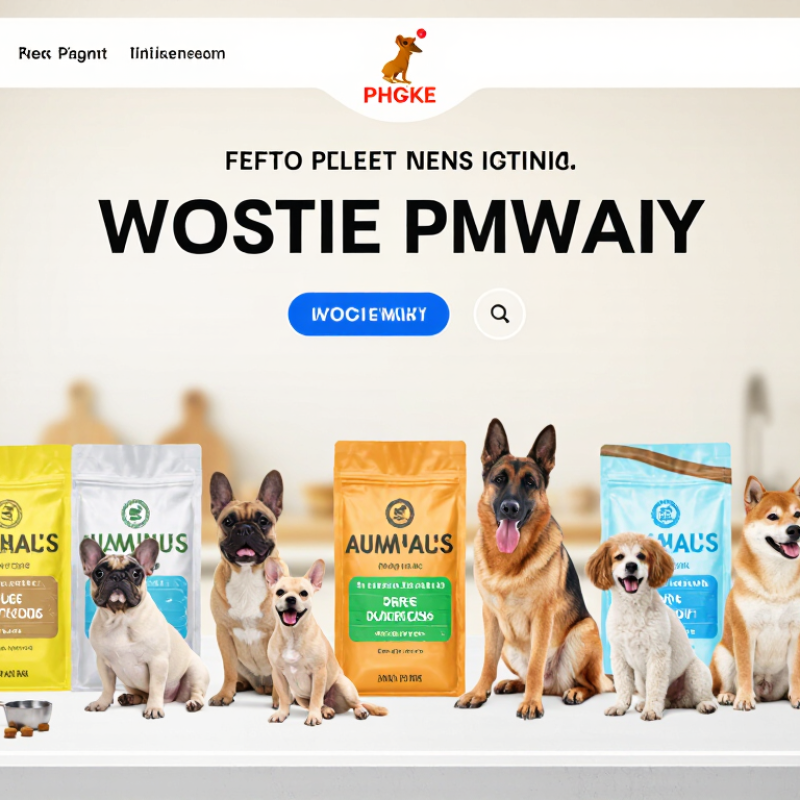
Top 10 Premium Dry Dog Food Brands for Global Buyers?

Global Premium Dog Food Market: Growth, Value, and Regional Demand Data

The global premium dry dog food market is expanding as owners treat nutrition as a long-term health investment. Industry forecasts commonly indicate steady high-single-digit growth through the next decade, although estimates vary by source and currency. Premium products usually earn higher value through targeted protein, digestive support, functional additives, and traceable ingredients. A larger price tag does not always prove better nutrition. Buyers should examine nutrient analysis, feeding trials, and manufacturing controls.

Regional demand is uneven. North America and Western Europe remain mature markets, supported by high pet ownership and strong online retail. Asia-Pacific is growing faster in many cities, where rising incomes and smaller apartments encourage convenient, shelf-stable food. Latin America and the Middle East show selective demand, especially in urban centers and specialty stores. Climate also matters. Heat and humidity can damage packaging and reduce freshness during transport. Forecasts are useful, but they are not perfect; inflation, exchange rates, and changing consumer habits can quickly alter market value.

Tips: Compare cost per feeding, not package price. Check country-specific import rules and clear expiry dates. Request laboratory certificates when buying in bulk. Start with smaller quantities, because even premium formulas may not suit every dog. Observe stool quality, coat condition, energy, and appetite for several weeks. Keep a practical record.

Premium Dry Dog Food Standards: AAFCO Nutrient Profiles and FEDIAF Guidance

For global buyers, premium dry dog food should be judged against nutrition standards, not glossy packaging. AAFCO nutrient profiles provide reference targets for growth, reproduction, and adult maintenance in the United States. FEDIAF guidance offers comparable European reference values, with details for life stage, energy, and nutrient supply. These frameworks are useful, but they are not identical legal systems. Check the destination market’s current rules before importing or selling any product.

On the label, look for a clear statement of nutritional adequacy. It should identify the intended life stage and explain whether adequacy comes from nutrient formulation or feeding trials, where applicable. “Complete” does not automatically mean ideal for every dog. A large-breed puppy, active adult, and senior dog have different needs.

Compare guaranteed analysis carefully. Protein and fat percentages are usually listed as-fed, while scientific comparisons often use dry-matter values. Divide a nutrient percentage by the dry-matter percentage, then multiply by 100.

I also inspect calcium, phosphorus, essential fatty acids, and selected vitamins and minerals. Ingredient lists show composition, but they cannot prove nutritional adequacy alone. Manufacturing controls matter: consistent grinding, moisture protection, batch testing, and traceability support reliability.

Ask suppliers for current specifications, laboratory results, and feeding or formulation evidence. Some documents may be incomplete. That is a warning. I have learned to question unusually precise claims, especially when calories, serving sizes, or life-stage instructions are missing.

Reassess the food after several weeks by checking body weight, activity, stool quality, and veterinary feedback.

How the Top 10 Brands Compare: Protein, Fat, Calories, and Ingredient Quality

Premium dry dog foods differ most in protein density, fat balance, calories, and ingredient transparency. A label review of ten high-end formulas should convert nutrients to dry-matter values before comparison. AAFCO’s 2024 Dog Food Nutrient Profiles set adult-maintenance minimums at 18% protein and 5.5% fat on a dry-matter basis. Many premium recipes exceed these levels, but higher protein alone does not prove better quality.

Energy density also changes purchasing decisions. Dry foods commonly provide about 3,400 to 4,100 kcal per kilogram, depending on fat, fiber, and moisture. A formula with 20% fat may suit an active dog but overfeed a sedentary adult.

WSAVA’s Global Nutrition Guidelines recommend checking calorie declarations, feeding trials, quality control, and access to qualified nutritionists. The ingredient list matters, yet it cannot measure digestibility by itself.

Ingredient quality is more than expensive-sounding words. Named animal proteins, clear fat sources, controlled minerals, and meaningful nutritional testing offer stronger evidence. FEDIAF’s 2024 Nutritional Guidelines also stress life-stage precision, especially for growing dogs.

One weakness remains: public labels rarely reveal amino-acid digestibility or factory testing frequency. Buyers should question impressive claims, compare calories per cup, and request complete nutrient data. Marketing still fills many gaps.

Manufacturing and Safety Checks: FDA, EU, HACCP, and ISO Certification Data

Global buyers comparing the top 10 premium dry dog food brands should inspect manufacturing evidence, not only ingredient panels. FDA registration supports facility identification, but it is not a product approval or safety certificate. Ask for the production site, recall history, and current contact details. Traceability should reach the batch code printed near the seal.

EU-bound products require compliance with relevant feed safety rules, labeling duties, and permitted ingredient standards. Documentation should match the destination market. A polished certificate can still hide weak controls.

HACCP records show how a facility identifies hazards, controls moisture, and prevents contamination during mixing, extrusion, drying, and packing. Look for monitoring logs, corrective actions, and verification dates. ISO 22000 can indicate a structured food safety management system, while ISO 9001 mainly addresses quality management. They are useful, but neither replaces product testing.

Request recent certificates from recognized, accredited auditors. Check the facility name, scope, expiry date, and covered manufacturing address. Independent laboratory reports should include microbiology, mycotoxins, heavy metals, and nutritional analysis. Results must match the same batch, not a sample from last year.

Small details matter. Broken seals matter. Damp pellets matter. A premium claim is only a starting point. In practice, buyers may receive incomplete documents or inconsistent translations. That weakness deserves attention, not polite acceptance. Certification reduces uncertainty; it never removes the need for careful review.

Global Buyer Guide: Pricing, Packaging, Availability, and Import Requirements

Global buyers comparing premium dry dog food should treat price as landed cost, not catalogue price. Indicative export quotations often range from US$2.50 to US$6.00 per kilogram before freight, duties, testing, and brokerage. Offers vary with protein sources, order volume, and packaging choices.

The American Pet Products Association reported US pet food and treat sales of US$62.1 billion in 2024. FEDIAF’s 2024 report recorded approximately €29.2 billion in European pet food sales.

These figures show demand, not guaranteed margins. Small importers can lose money through slow inventory. Test two or three pallet scenarios.

Packaging needs practical scrutiny. Use high-barrier, resealable bags for humid routes. Common trial sizes include 2kg, 5kg, and 12kg. Request pallet dimensions, carton counts, net weight, and remaining shelf life at shipment.

A beautiful bag is not enough. Confirm monthly capacity, minimum order quantity, lead time, and backup ingredients in writing.

Import clearance commonly requires invoices, packing lists, transport documents, product specifications, ingredient declarations, guaranteed analysis, lot codes, expiry dates, and origin details.

Animal-derived ingredients may require veterinary certificates or facility approval. Requirements differ by destination.

Local authorities and customs brokers should verify every SKU before payment. Codex guidance can support label review, but it does not replace national law.

Freight rates and currency shifts can still undermine careful estimates. I would test one shipment, record damaged bags, then revise the buying model.

FAQS

Why should protein and fat be compared on a dry-matter basis?

Moisture changes label percentages. Dry-matter values create a fairer comparison between formulas. Adult maintenance generally needs at least 18% protein and 5.5% fat.

Does higher protein automatically mean better food?

No. Protein source, digestibility, amino-acid balance, and testing also matter. A high number alone proves very little.

How many calories might premium dry food provide?

Many formulas provide about 3,400 to 4,100 kilocalories per kilogram. Check calories per cup, not only protein and fat.

Which formula suits an active or sedentary dog?

A formula with around 20% fat may suit an active dog. It could overfeed a sedentary adult. Watch body condition weekly.

What ingredient details deserve closer attention?

Look for named animal proteins, clear fat sources, controlled minerals, and complete nutrient testing. Expensive-sounding ingredients can still hide gaps.

Are ingredient lists enough to judge digestibility?

No. Ingredient lists cannot show amino-acid digestibility or factory testing frequency. The label has limits.

What should buyers check before importing dry food?

Calculate the landed cost, including freight, duties, testing, and brokerage. Request invoices, specifications, ingredient declarations, lot codes, expiry dates, and origin details.

How should packaging be selected for humid shipping routes?

Use high-barrier, resealable bags. Common trial sizes include 2kg, 5kg, and 12kg. Confirm pallet dimensions, carton counts, shelf life, and bag strength.

How can a small buyer reduce purchasing risk?

Test two or three pallet scenarios and confirm capacity, minimum order quantity, lead time, and backup ingredients. One shipment may reveal damaged bags or weak assumptions.

Do growing dogs need different nutritional review?

Yes. Growing dogs require more precise life-stage nutrition. Local authorities should verify each product before payment. I would not rely on marketing alone.

Conclusion

This guide examines the global Premium Dry Dog Food market, focusing on growth potential, regional demand, product value, and purchasing trends. It explains how buyers can evaluate nutritional quality through AAFCO nutrient profiles and FEDIAF guidance, including protein, fat, calorie levels, digestibility, and ingredient transparency. The comparison framework emphasizes measurable standards rather than brand reputation, helping importers and distributors identify products suitable for different dog sizes, ages, activity levels, and dietary needs.

The article also reviews manufacturing and safety considerations, including quality-control systems, HACCP procedures, ISO-based management practices, and relevant FDA or EU requirements. For global buyers, it highlights practical factors such as wholesale pricing, packaging formats, shelf life, labeling, supply reliability, availability, and import documentation. By combining nutrition, safety, production quality, and commercial information, the guide offers a clear, responsible approach to selecting Premium Dry Dog Food for international markets.

Charlotte

Charlotte

Charlotte is a highly skilled marketing professional with a strong understanding of the company’s products, customers, and evolving industry needs. Through years of experience in market research, content strategy, and customer communication, she transforms complex product information into clear,......