0%

Choosing a British pet nutrition supplier involves more than comparing product prices. Buyers need dependable formulations, clear specifications, and practical export support. A British Pet Nutrition Export partner may offer dry food, wet food, treats, or specialist diets, but product range alone says little about fit. Ingredient details matter. So do batch consistency, packaging options, and communication when a shipment changes.

This guide introduces ten UK-based exporters for global buyers to explore. It considers factors such as product focus, manufacturing capability, export experience, and the information companies make available. These points can help narrow a search, but they are not a substitute for direct checks. Ask suppliers for current product data, relevant quality credentials, sample policies, and realistic lead times. Confirm that packaging, labelling, and shipping arrangements suit the destination market. Requirements can vary.

No list is perfect. A company suited to a large retailer may not work for a smaller distributor seeking flexible order volumes. Likewise, a polished catalogue cannot prove that every product will suit a buyer’s customers or supply chain. Treat this overview as a starting point, then compare responses carefully. Request written specifications and clarify how changes to ingredients or production are communicated. Those conversations may take time. They can also reveal important gaps before a commercial relationship begins.
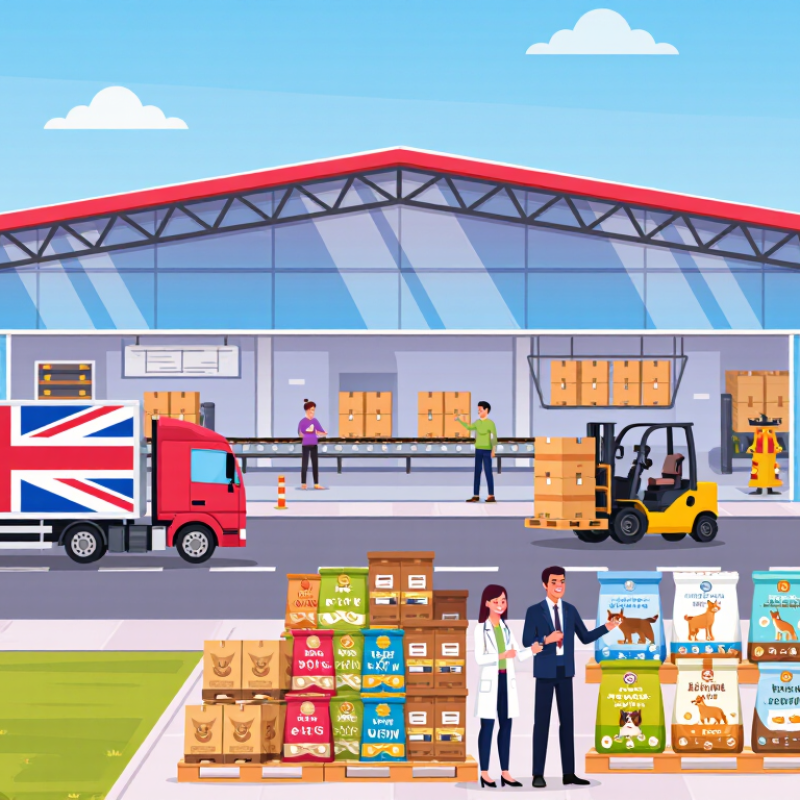
Top 10 British Pet Nutrition Exporters for Global Buyers

How the British Pet Nutrition Export Sector Serves Global Buyers

British pet nutrition exporters serve global buyers through product development, production controls, and practical export support. Buyers may request dry, wet, or specialist diets, with specifications covering ingredients, nutrient levels, pack sizes, and shelf life. Clear technical sheets help procurement teams compare offers before ordering.

Good communication matters. Export teams often coordinate samples, production schedules, pallet layouts, and shipping documents across time zones. Batch codes and retained records can help buyers investigate quality questions after delivery. For a first shipment, a small trial order may reveal how packaging withstands humid storage or long transit. Details matter.

Destination requirements differ, so buyers should confirm applicable documentation and product acceptance with qualified local advisers before shipment. Exporters can explain their controls and provide supporting records, but a sales conversation alone is not proof of suitability. Some suppliers may respond slowly when a formula needs adjustment; that friction deserves attention, not polite dismissal. Ask how substitutions are approved, how complaints are logged, and who answers when a shipment arrives damaged. Record the agreed response times before placing a repeat order.

Which Product Categories Do British Exporters Supply?

British pet nutrition exporters supply more than standard dog and cat food. Common categories include dry kibble, wet meals in cans, trays, or pouches, and treats for training or chewing. Some suppliers also offer recipes for puppies, senior animals, or pets with specific dietary needs. Product ranges vary by manufacturer and export market.

The market is substantial. FEDIAF’s 2024 European Pet Population and Pet Food Industry report estimates annual European pet food sales at €29.2 billion, based on 2023 data. That figure covers Europe, not British exports alone, so it signals demand rather than export performance. Buyers may also find nutrition products for small mammals, birds, and ornamental fish, alongside animal feeds beyond conventional pet food. Formats matter.

Export catalogues can differ in ingredients, pack sizes, and feeding guidance. A dry food bag may suit long-distance shipping, while wet food needs careful attention to packaging and storage conditions. Treats are often sold separately from complete meals, and labels should make that distinction clear. The category lines are not always neat. Buyers should check product specifications and destination-market requirements before comparing suppliers; broad labels can hide meaningful differences in formulation.

Top 10 British Pet Nutrition Exporters for Global Buyers: Which Product Categories Do British Exporters Supply?

This category map highlights product types found in the British pet-nutrition export offer. A value of 1 means the category is included in the map; it does not represent exporter counts, export volumes, or market share.

How Exporters Meet Quality, Safety, and Regulatory Standards

British pet nutrition exporters serving global buyers must prove more than product appeal. They need clear ingredient records, consistent batch controls, and evidence that finished goods match specifications. Reliable suppliers can explain how raw materials are checked, mixing conditions monitored, and samples retained for review. These details matter when shipments cross climates and spend weeks in transit. Small variations can affect texture, freshness, or acceptance at the destination.

Tips: Request recent laboratory reports, batch traceability details, and packaging specifications before ordering. Confirm that documents match the product and destination requirements. Ask the exporter to explain its quality process plainly. Good answers are specific. Vague assurances are not enough.

Safety and regulatory checks must stay current, since requirements vary between markets and product types. Buyers should verify import rules with local authorities and agree on responsibilities for certificates, labels, and product claims. A careful exporter flags changes early and keeps records accessible. Still, paperwork cannot guarantee a smooth delivery; port delays and storage conditions can intervene. Even strong systems need review. A practical partnership includes honest updates, corrective actions, and a plan for handling inconsistencies. This may sound less polished, but it is more useful.

Which Ten British Pet Nutrition Exporters Should Buyers Know?

Which Ten British Pet Nutrition Exporters Should Buyers Know?

Without naming companies, buyers can map ten British exporter profiles by product capability. These include complete dry dog food, wet dog food, dry cat food, wet cat food, puppy and kitten diets, senior formulas, limited-ingredient recipes, veterinary diets, treats and dental chews, and private-label manufacturing. Not every supplier offers all ten. Ask for nutrient specifications, batch-level analysis, shelf-life data, and evidence supporting any feeding claims. Practical details matter. A pallet delayed in transit can expose weak packaging faster than a polished catalogue does.

FEDIAF’s 2024 European Pet Food Industry report puts annual European pet food sales at €29.3 billion, showing the scale of this competitive market.

That figure is regional, not a measure of British exports or any supplier’s quality. For a fair comparison, check manufacturing consistency, ingredient traceability, export documentation, and the supplier’s ability to adapt pack sizes and formulations. Request recent test records, not just a sample bag.

One caveat: a broad product range can look impressive, but it may mean little without reliable production capacity and clear technical support. Buyers should verify both before placing a trial order.

How to Evaluate Suppliers for International Sourcing

When comparing British pet nutrition exporters, look beyond polished product catalogs. Confirm whether the supplier manufactures the food or works with a separate production site. Ask for clear ingredient specifications, nutritional analyses, batch identification, and recent test records. These documents help buyers compare products and trace a shipment if questions arise. Check that any certificates and labels suit your destination market; requirements can differ, so confirm details with your import adviser. Details matter.

Assess how reliably the exporter handles orders, not just samples. Request references from buyers in similar markets, and ask how production changes are communicated. If possible, arrange a site audit or use an independent auditor. Review packaging strength, pallet configuration, shelf life on arrival, minimum order quantities, and shipping terms. A neat sample does not guarantee consistent bulk production. I have seen buyers focus heavily on price, then discover that unclear lead times disrupt their launch. That is easy to overlook.

Tips: Compare like with like. Ask each supplier for the same product data and delivery assumptions. Clarify who checks documents before dispatch, and agree on how damaged packaging or out-of-spec batches are handled. Keep written records of answers. Some responses may remain vague; treat that as a reason to ask again, not as proof of poor quality.

FAQS

What records should buyers request before ordering?

Ask for ingredient specifications, recent laboratory reports, batch traceability, and packaging details. Check that each document matches the product. Details matter.

How can buyers check whether products meet destination requirements?

Confirm import rules with local authorities or an import adviser. Agree who handles certificates, labels, and product claims. Requirements can vary.

What product types might British exporters offer?

Options may include dry or wet dog and cat food, life-stage diets, limited-ingredient recipes, veterinary diets, treats, and private-label production. Not every supplier offers all types.

Are product samples enough to judge a supplier?

No. A sample bag cannot prove consistent bulk production. Request recent test records and batch-level information, then compare them with the sample.

How can buyers assess manufacturing reliability?

Ask whether the supplier makes the food or uses another production site. Request similar-market references and clear updates about production changes. A site audit may help.

Which shipping details deserve attention?

Review packaging strength, pallet layout, shelf life on arrival, minimum order quantities, and shipping terms. A long transit can expose weak packaging.

What should buyers agree about damaged or out-of-spec goods?

Set out who checks documents before dispatch and how damaged packaging or inconsistent batches will be handled. Keep the agreement in writing.

What if a supplier gives vague answers?

Ask again with specific questions and record the replies. Vague answers are not proof of poor quality, but they deserve follow-up. I still find this easy to underestimate.

Conclusion

British Pet Nutrition Export serves global buyers by connecting them with suppliers of complete pet foods, treats, supplements, and specialized nutrition products for different species and life stages. This article explores how the sector supports international sourcing, from understanding available product categories to reviewing the quality and safety processes exporters use. It also introduces ten British pet nutrition exporters for buyers to research, without treating any supplier as a universal fit.

For successful sourcing, buyers should compare product specifications, ingredient information, production capacity, packaging options, export experience, and documentation relevant to their destination market. Clear communication, consistent quality controls, reliable delivery arrangements, and transparent commercial terms can help build a dependable supplier relationship. By assessing these factors carefully, international buyers can make informed decisions and identify British Pet Nutrition Export partners that align with their customers’ needs and business requirements.

Charlotte

Charlotte

Charlotte is a highly skilled marketing professional with a strong understanding of the company’s products, customers, and evolving industry needs. Through years of experience in market research, content strategy, and customer communication, she transforms complex product information into clear,......